



 SCAR ASSESSMENT
Personalised Acne Scar Consultation
For pitted, rolling, boxcar, ice pick or raised scars. Discuss your scar pattern, previous treatment and realistic options with the doctor.
Book Scar AssessmentStill seeing pits, dents or uneven cheek texture long after your acne has cleared? Understand what different acne scars look like and the next steps worth discussing with a doctor.




Why marks and indentations are not the same
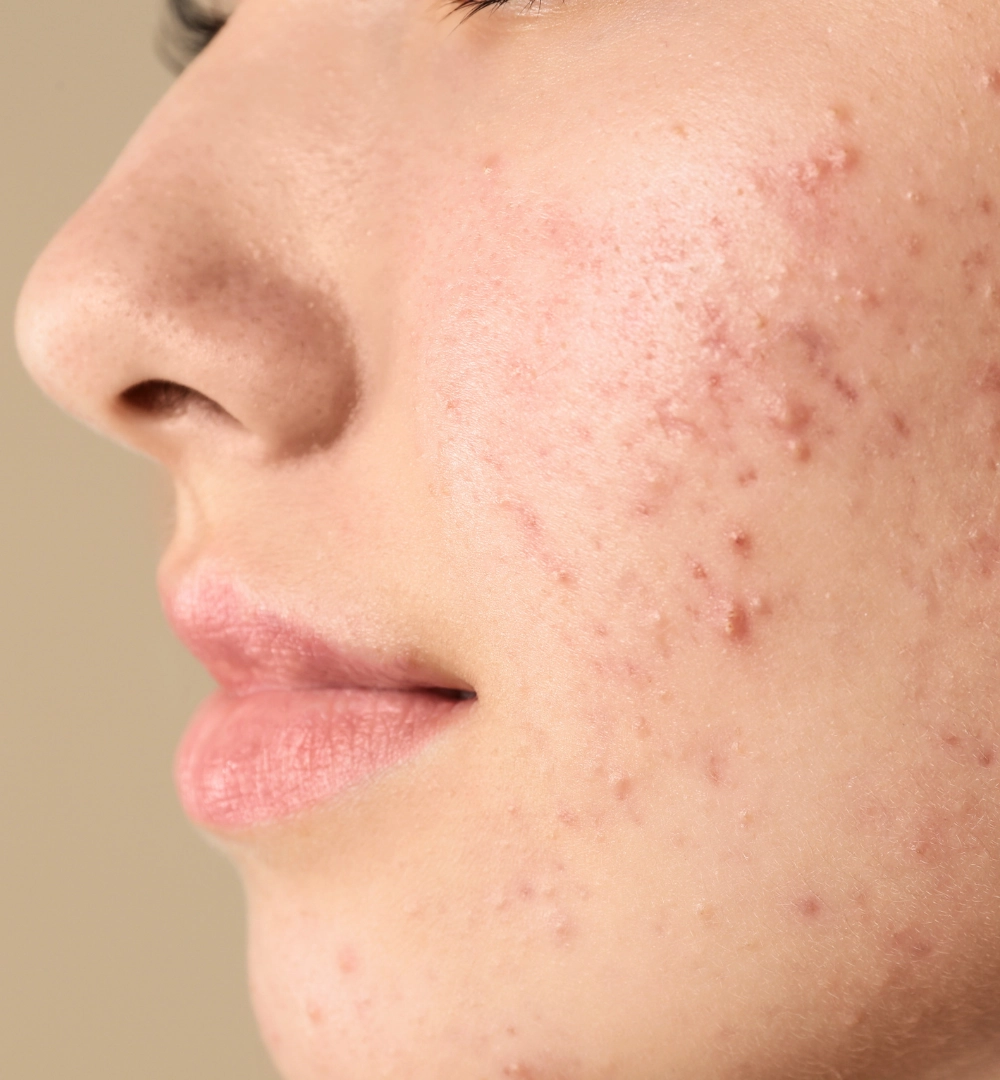
When inflamed acne heals, the skin may make too little collagen, leaving pits or depressions, or too much, creating raised scars. Ice pick, boxcar and rolling scars can appear together, especially across the cheeks.
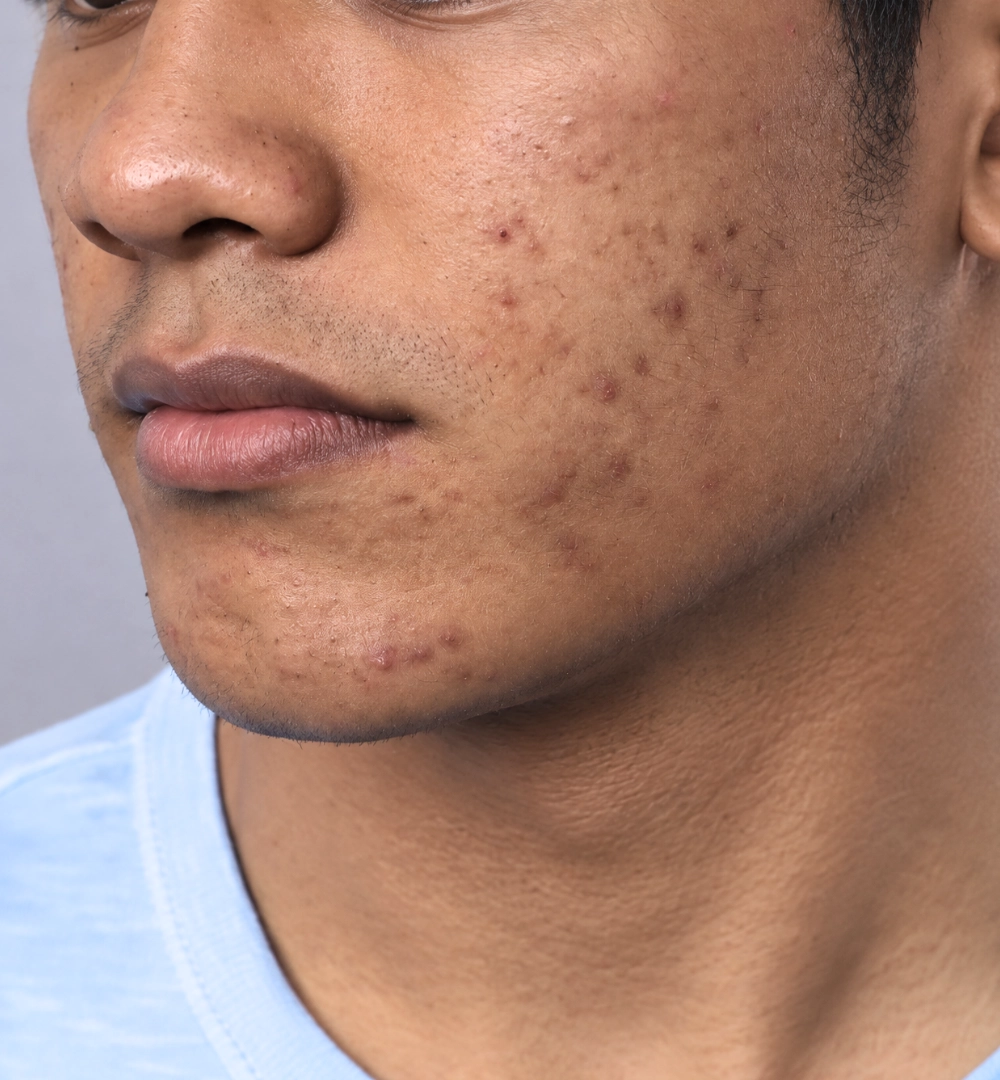
Flat red or brown spots after breakouts are usually colour changes rather than true indented scars. That distinction matters: products that fade marks do not necessarily smooth pitted scars. Dr. Chiam can review your skin texture, active acne and personal risk factors before discussing options.


Acne scars vary in depth, shape and texture. Here are common changes that may remain after breakouts.
Small, deep pinhole-like pits that remain visible even after the pimple has healed.
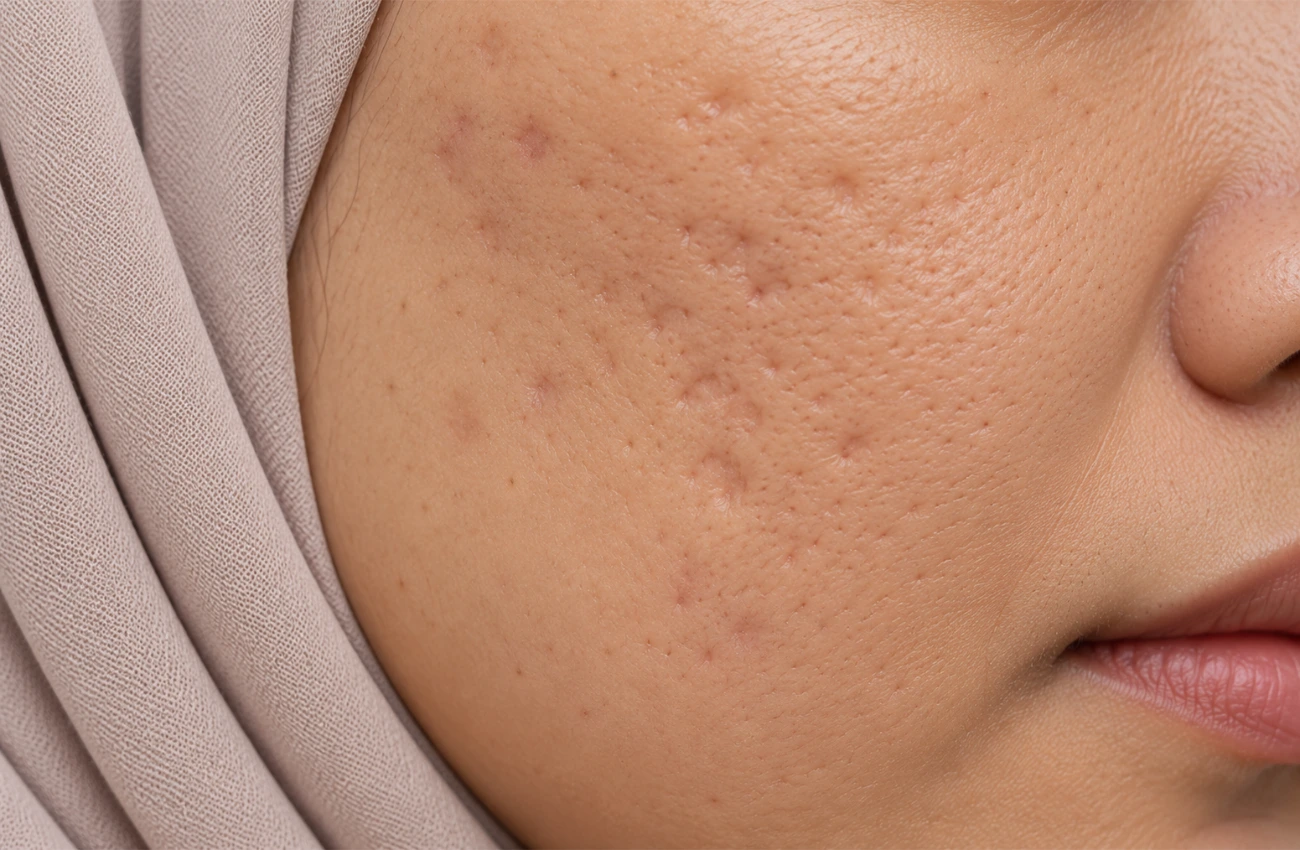
Round or oval depressions with more defined edges, often across the cheeks.

Broad, sloping dents that can make your skin look wavy in side lighting.

Multiple small indentations that catch makeup or look more obvious in daylight.

A combination of shallow and deeper pits that may require different approaches.
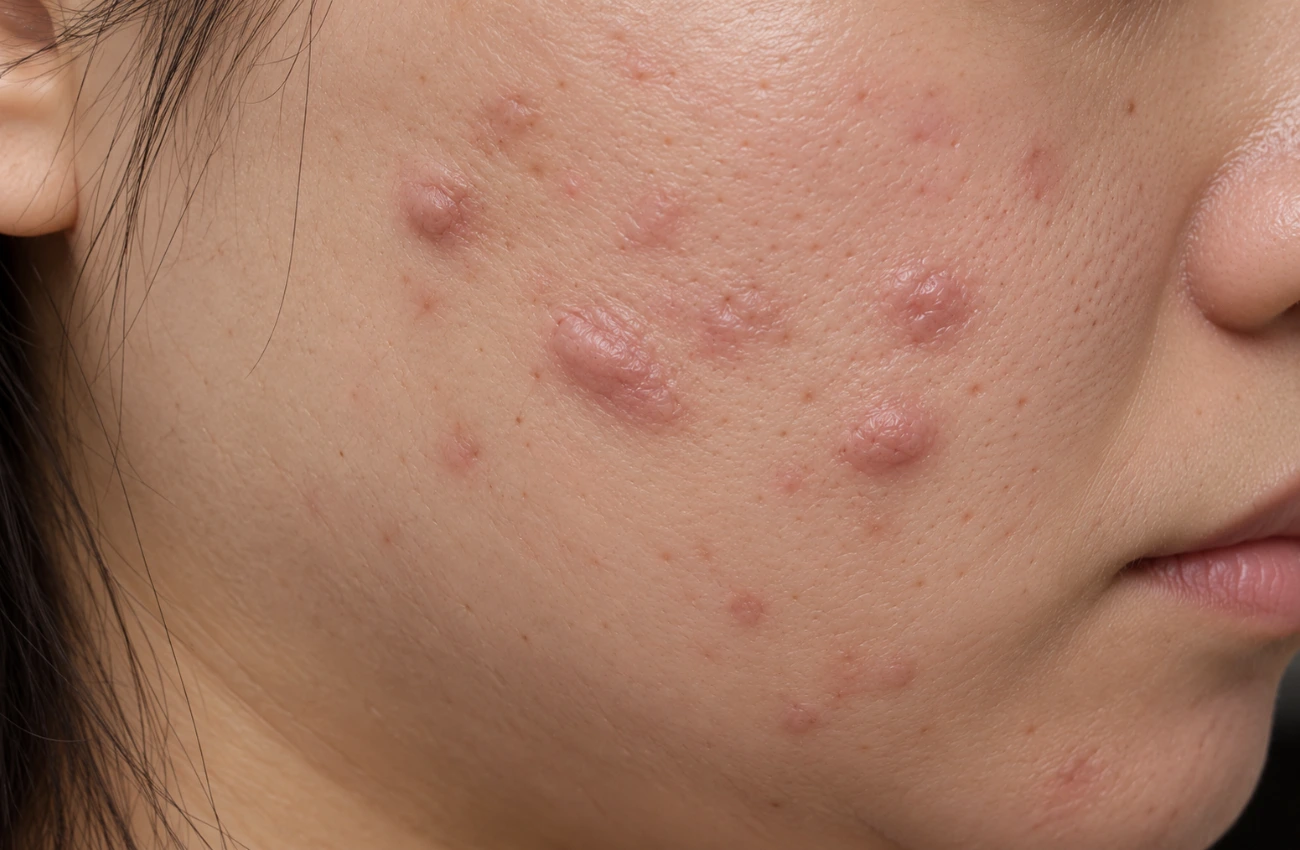
Firm, raised scar tissue from excess collagen; this needs a different assessment.

Old breakout areas that look bumpy or indented despite no active pimples.
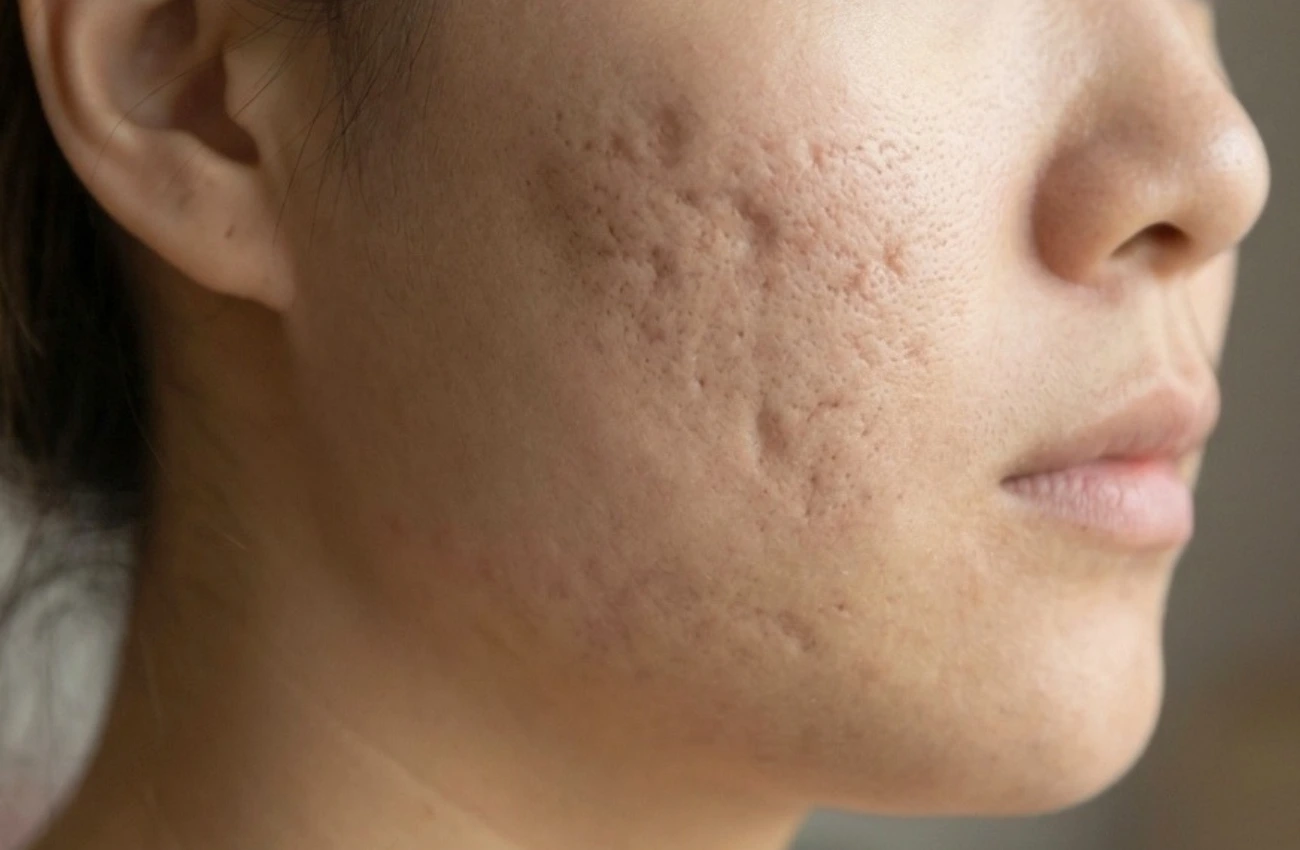
Dents that create visible shadows even when the skin colour looks more even.
Unsure which type of acne scars you have? Book a consultation to discuss your scars and skin goals.
Deep inflammation: Cysts and nodules can damage the deeper layers of skin and increase the likelihood of lasting scars.
Picking or squeezing: Repeated trauma can worsen inflammation and make scarring more likely.
Collagen changes: Too little collagen may leave dents; too much may create raised scars.
Active acne and skin tone: Continuing breakouts can create new scars, while some skin types are more prone to pigmentation after procedures.
A dent or raised area changes your skin’s texture. A flat brown or red mark changes its colour. Active pimples are a separate issue that may need attention before scar procedures. If flat spots are your main concern, read our Pigmentation guide. For persistent dents or raised scars, start with a scar assessment.
A careful assessment helps set priorities for different scars, rather than promising one treatment will fix every mark.
Helps identify acne scar pattern before considering treatment.

Matches appropriate care options to different acne scar types.

May soften the visible look of some acne scarring depressions.


Explains what improvement may be possible for different scars.

Considers individual differences in scar depth and skin types.

Supports careful skin recovery and reviews progress over time.
Pitted scars, active acne and dark marks are not treated in the same way. These starting points help you explore relevant care without assuming that every skin-quality treatment removes scars.
SCAR ASSESSMENT
For pitted, rolling, boxcar, ice pick or raised scars. Discuss your scar pattern, previous treatment and realistic options with the doctor.
Book Scar Assessment
ACTIVE BREAKOUTS
If acne is still recurring, preventing new inflammation may be the first priority before considering scar-focused procedures.
Discuss Active Acne
FLAT DARK MARKS
Flat brown marks are not the same as pitted acne scars. Explore pigmentation concerns if skin discolouration is your main issue.
Explore Pigmentation SKIN QUALITY
Explore a separate skin-quality consultation for hydration and texture concerns. This is not a replacement for targeted treatment of deep pitted scars.
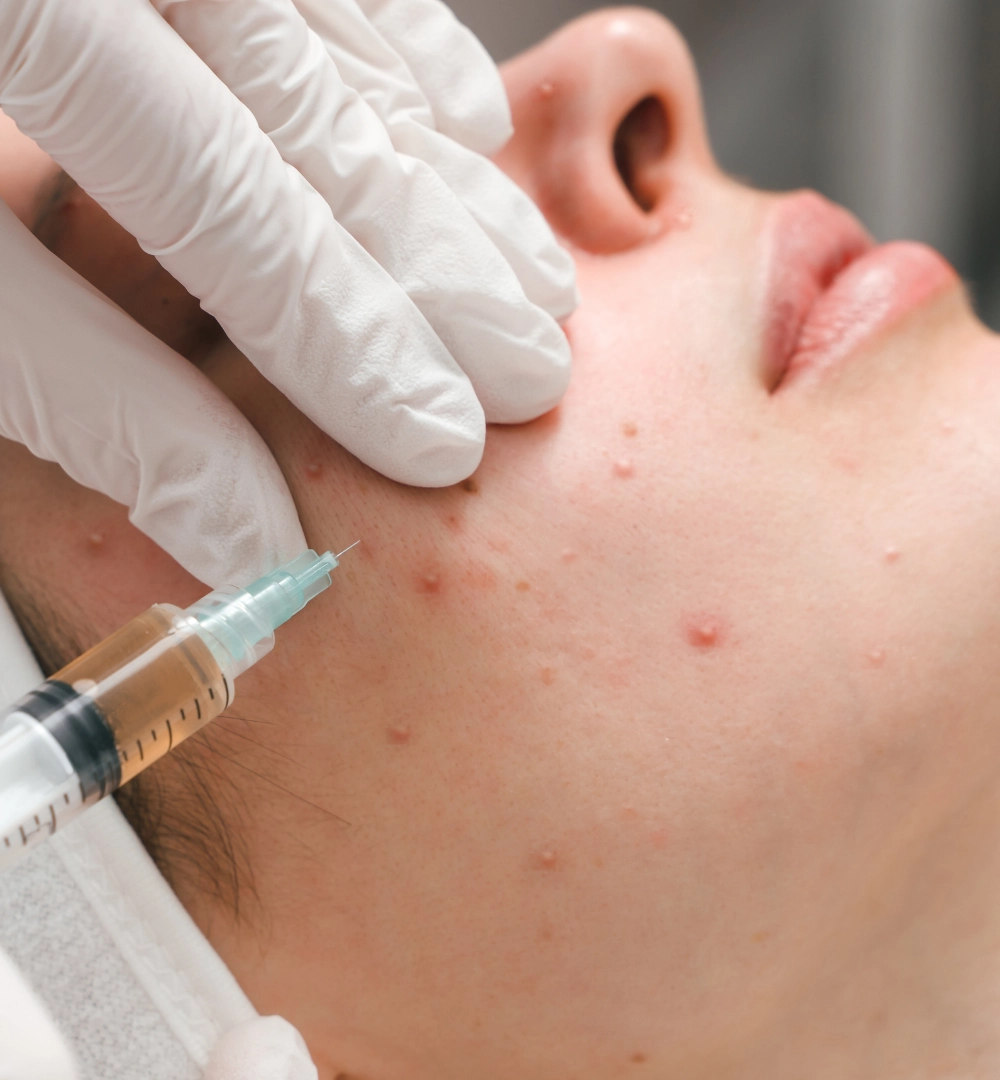
Explore Skin BoosterProcedures sometimes used for acne scarring include laser resurfacing, microneedling, subcision or scar-specific chemical reconstruction. Their availability at Belle Clinic is not confirmed here; only a clinician can advise which, if any, is appropriate. Skin colour and pigmentation risk also matter.


Discuss prior breakouts, existing scars and your personal skin concerns.
Review scarring depth, individual skin tone and any active inflammation.
Explore suitable options, expected results, possible risks and downtime.
Discuss skin recovery, scar improvement and any needed follow-up visits.

Gradual texture improvement, not overnight scar removal
Improvement depends on whether your scars are indented or raised, how deep they are, your skin tone and the treatment selected.
Some procedures need several sessions and healing time; complete removal of established acne scars cannot be promised.
Follow your doctor’s instructions on sun protection, skincare, recovery time and when to return for a progress review.

Personalised Aesthetic Care
At Belle Clinic, we take time to understand your history of acne, skin texture concerns and treatment goals.
Our doctor reviews scar types, skin sensitivity and medical history before discussing relevant options.
We focus on clear explanations, realistic results and careful treatment planning.
True scars change the skin’s texture, creating pits, dents or raised areas. Flat brown or red spots after acne are usually colour changes rather than indented scars.


Explore individual acne scar care
tailored to your skin and goals.