Does your skin look dull even with skincare? Noticing large-looking pores, rough patches or makeup settling into texture? Explore what may be behind these concerns and which steps may help.


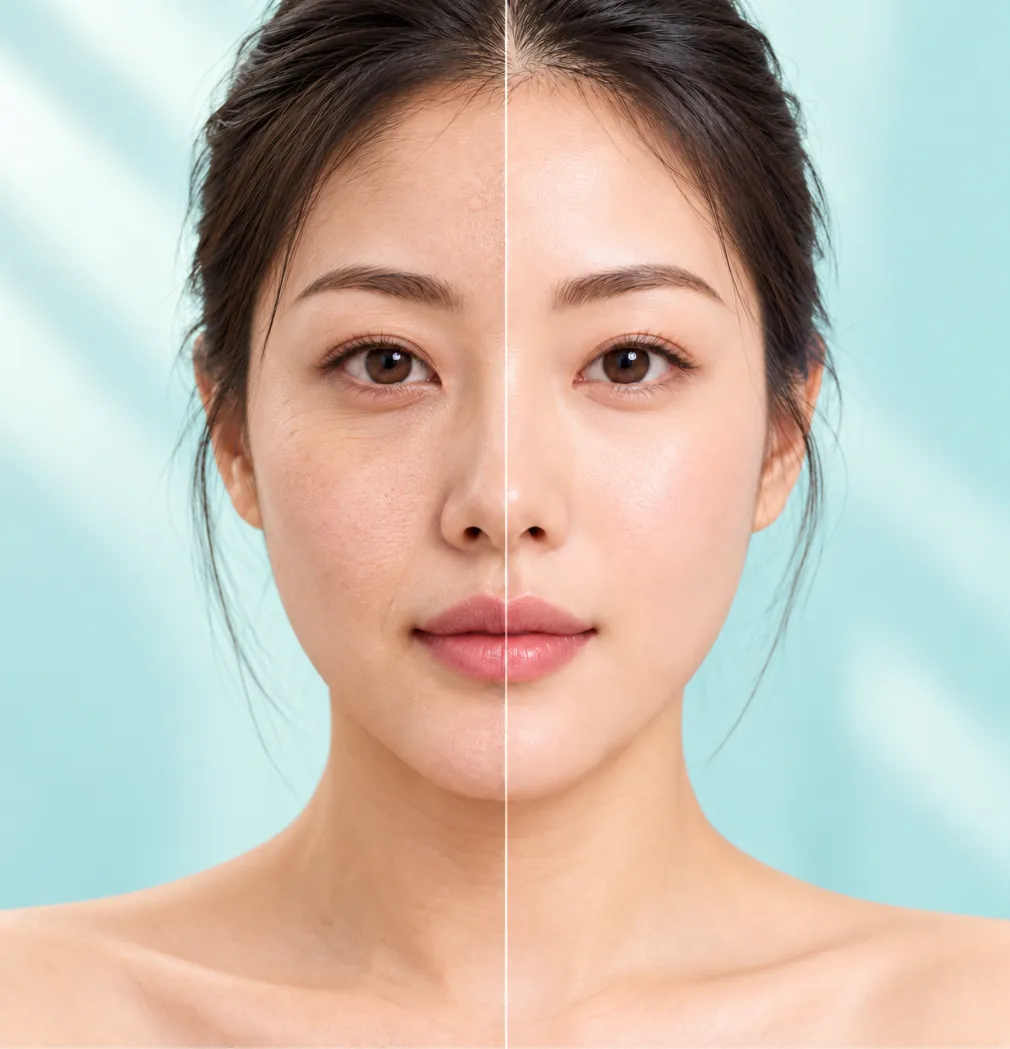

Understanding skin texture, hydration and pore appearance
Visible pores, patchy texture and dull-looking skin are common, but they do not always have the same cause. Oil and congestion may make pores more noticeable, while dryness and uneven surface texture can reduce the way skin reflects light.
Healthy skin naturally has pores. The goal is not to eliminate them, but to understand what makes them more noticeable and identify care suited to your skin type and sensitivity.


Not sure whether you are seeing large-looking pores, acne-related texture or pigmentation? A skin consultation can help distinguish these concerns before choosing an approach.

Do the pores on your nose and cheeks seem especially obvious in daylight or close-up photos? Oil, congestion and reduced skin firmness may contribute.

Does your face look tired or lacklustre even after cleansing? Dryness, surface buildup or uneven tone may affect its natural radiance.

Does makeup catch on rough spots or make small bumps stand out? The cause could include congestion, dryness or residual acne texture.

Does your T-zone become shiny soon after washing? Excess oil can contribute to congestion and make pores appear more noticeable.

Noticing tiny dark dots or recurring bumps around the nose and chin? Trapped oil and skin cells can lead to clogged pores.

Does your skin feel tight but still become oily? Dehydration and an unsuitable routine can make fine surface lines more obvious.

Are your cheeks less smooth than they used to be? Persistent bumps or textural changes may need a closer look before choosing exfoliation.

Does your skin look patchy, with some areas duller than others? Sun exposure, pigmentation and irritation can affect the overall appearance.
Concerned about uneven skin texture or pores? Book a consultation to discuss your skin and goals.
Different causes call for different care. A closer assessment can help distinguish everyday skin-quality concerns from acne scars or pigmentation.
Oil and congestion: Excess sebum and clogged pores can increase the appearance of pores and bumps.
Dryness or irritation: A compromised moisture barrier or harsh products can make skin look uneven and feel rough.
Sun exposure and ageing: Changes in skin elasticity and uneven tone may affect how smooth or radiant the complexion appears.
Acne and residual marks: Persistent dents and dark spots are different concerns and may need their own assessment.
Start with gentle cleansing, a moisturiser suitable for your skin, non-comedogenic products and daily broad-spectrum SPF 30 or higher. Avoid squeezing pores and over-exfoliating. If skin is persistently inflamed, painful or changing unexpectedly, seek clinical advice before adding stronger skincare products.
Suitable skincare and selected treatments may help address particular concerns. Outcomes depend on the cause, your skin type and the approach used.
Improving dryness and uneven surface texture may help skin look fresher and better hydrated.

A tailored plan may help certain rough or congested areas appear more even.

Appropriate moisturising and barrier care can help reduce the appearance of dehydration.


Managing oil and congestion may make pores appear less prominent, not remove them.

Care is adjusted for sensitivity, acne, pigmentation, skin type and relevant medical history.
Long-term maintenance matters; no treatment creates permanently poreless skin.
Visible pores, dullness and uneven texture are not the same concern. These services and guides can help you explore the next step before deciding what is suitable.

Explore this service for selected hydration and skin-quality concerns. Suitability, expected outcomes and risks depend on the product and your assessment.
Explore Skin Booster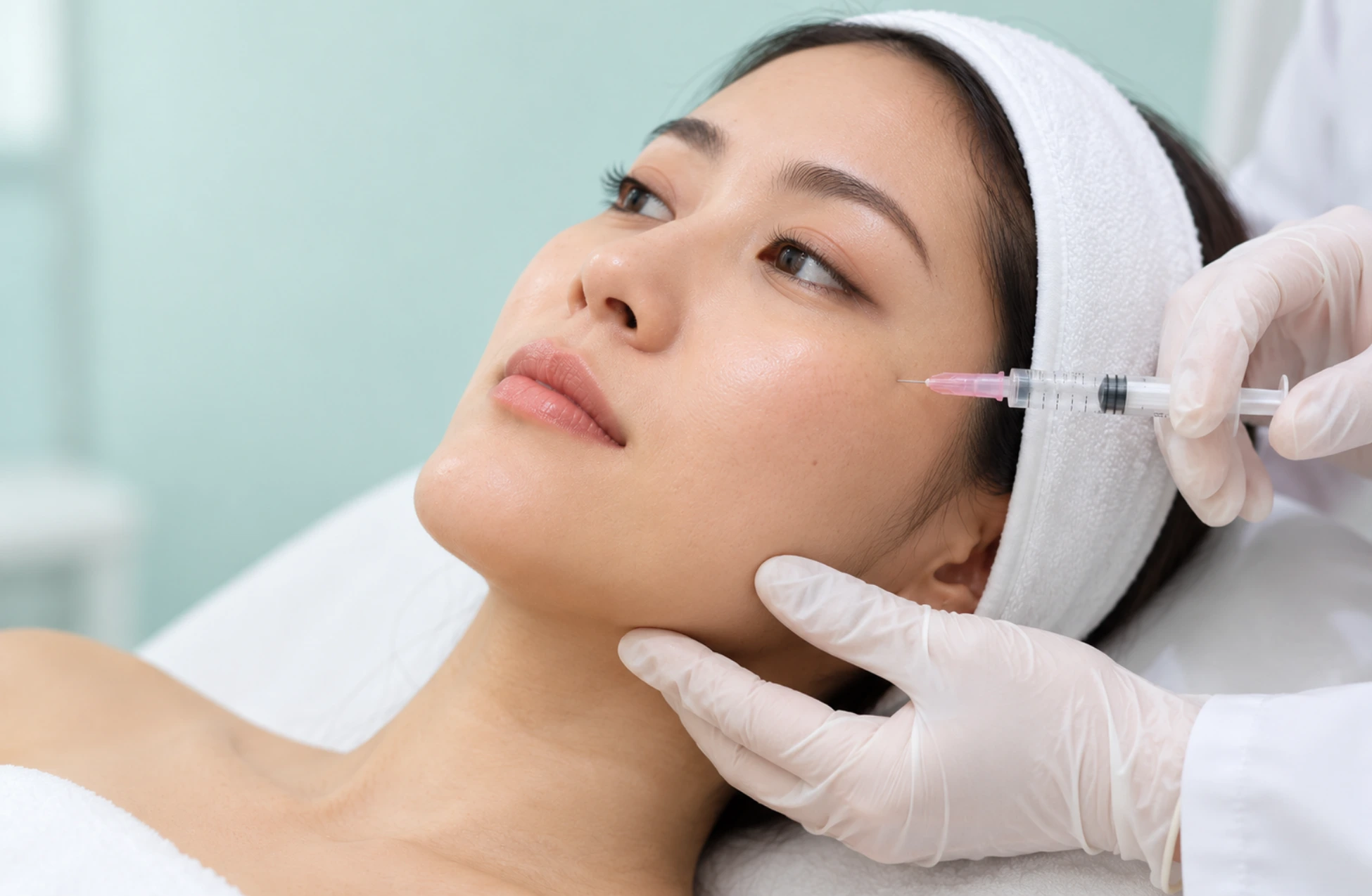
A different approach that may be discussed for specific skin-quality and firmness goals. It is not a direct treatment for blackheads or a way to erase pores.
Explore Bio-StimulatorPores are normal and cannot be erased. The doctor can advise which treatment, if any, suits your skin and the likely results.

Tell us what bothers you most, how long it has been present and which products you use.
The doctor assesses oiliness, skin texture, visible pores and signs of irritation or acne.
Discuss appropriate home care or treatment choices, including limits, risks and downtime.

Review skin-care steps, sun protection and whether follow-up or adjustments are needed.
Progress is personal, and maintenance matters
Some people may notice improvements in hydration or skin smoothness, while others need a plan focused on oil control or acne. The timeline and degree of change vary with the cause and treatment chosen.
Pores remain a normal part of skin, and recurring congestion, sun exposure or irritation may affect long-term appearance. Ongoing care and follow-up help keep expectations realistic.
If your main concern is indented acne scarring or dark pigmentation, the most appropriate assessment may be different from a general skin-hydration consultation.


Personalised Aesthetic Care
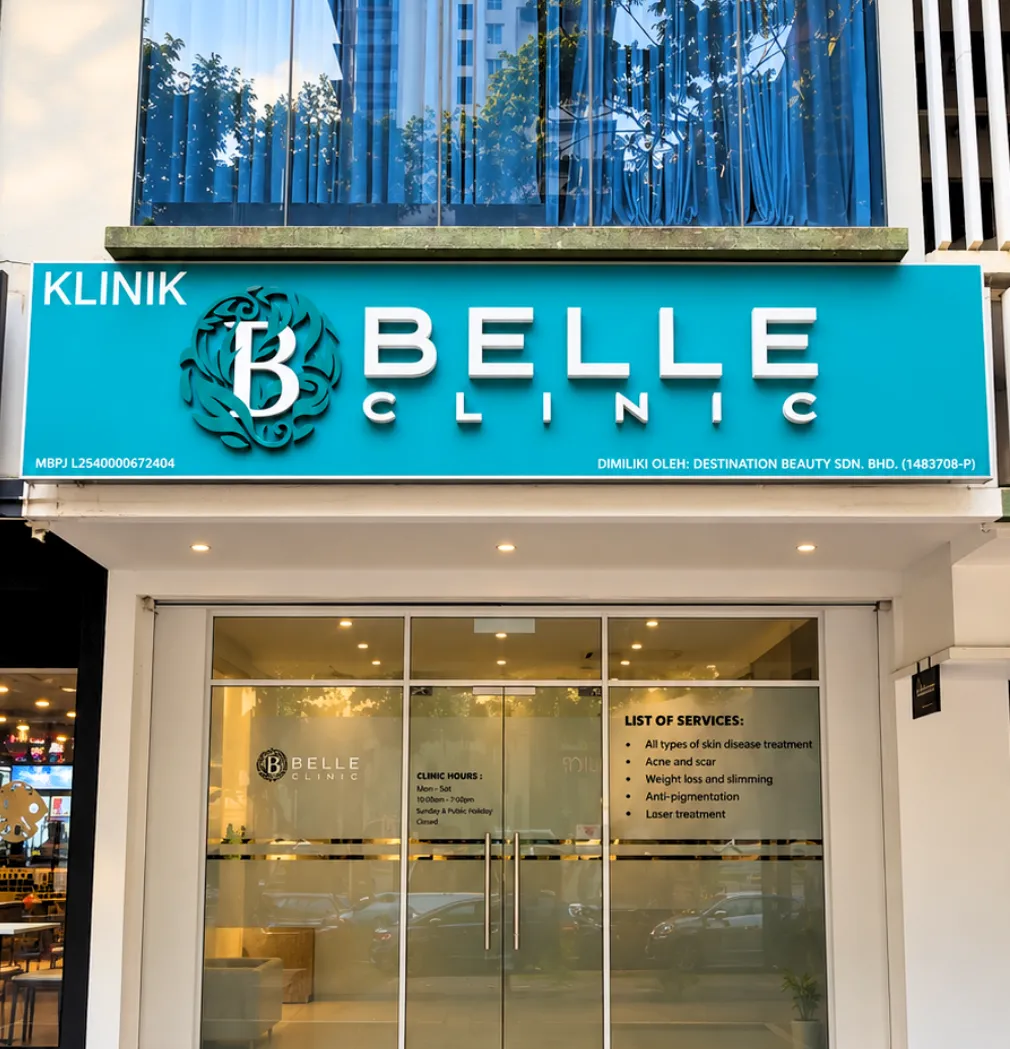
At Belle Clinic, we take time to understand your skin type, visible pores, dullness and skin texture concerns.
Our doctor reviews your skin condition and medical history before discussing suitable options for your goals.
We prioritise thoughtful skin care, realistic expectations and clear follow-up guidance.
No. Pores are normal openings in the skin and cannot be permanently removed. However, managing congestion, oiliness and skin-care habits can make them less noticeable.
General skin-care references: American Academy of Dermatology — large pores and moisturiser selection. This information does not replace an individual medical assessment.


Book a skin-quality consultation to explore care options based on your actual concerns, skin type and goals.