Do your eyes still look puffy or tired even after a good night’s sleep? Understand what causes persistent eye bags, why some swelling comes and goes, and when a professional assessment may help.

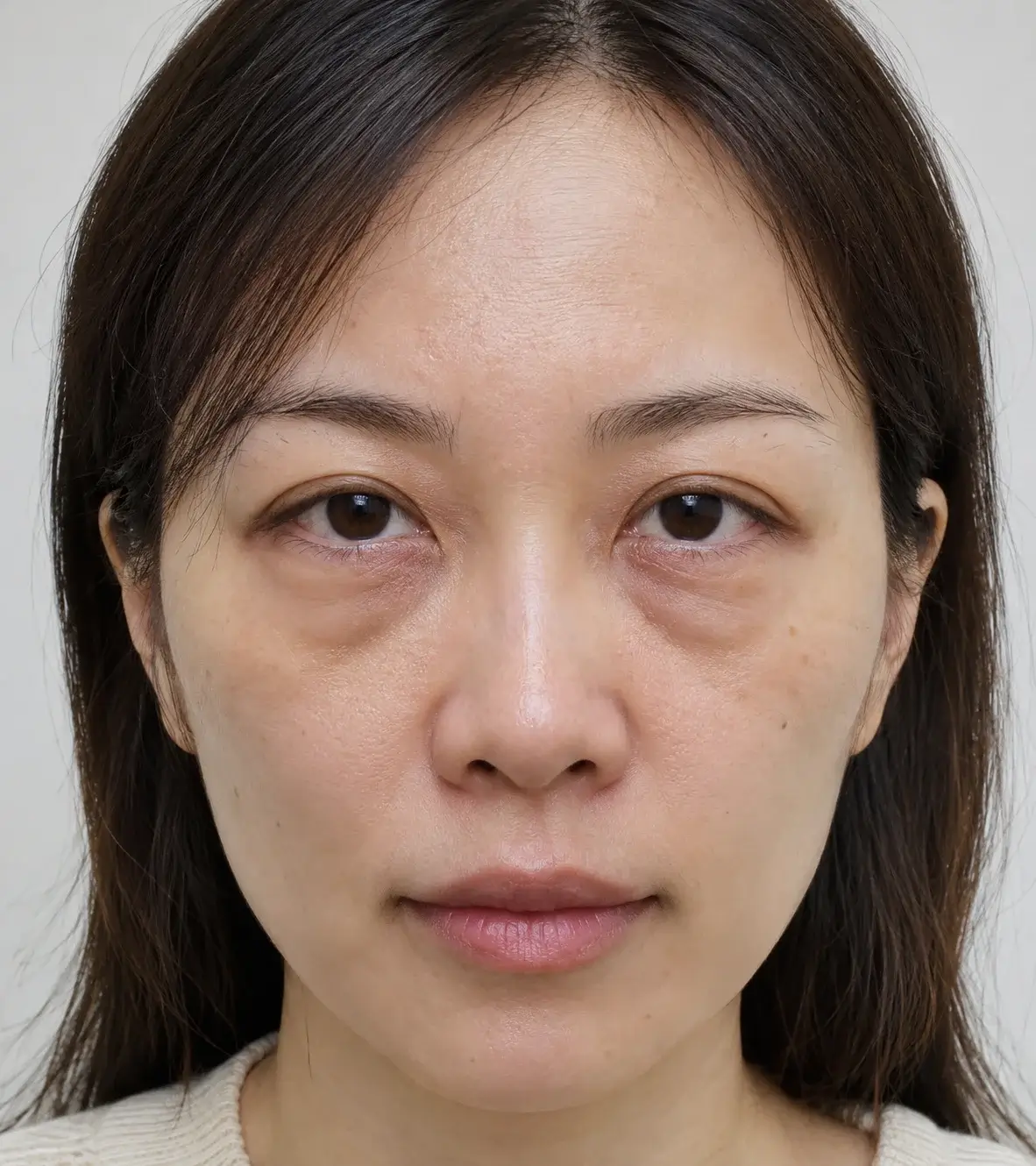


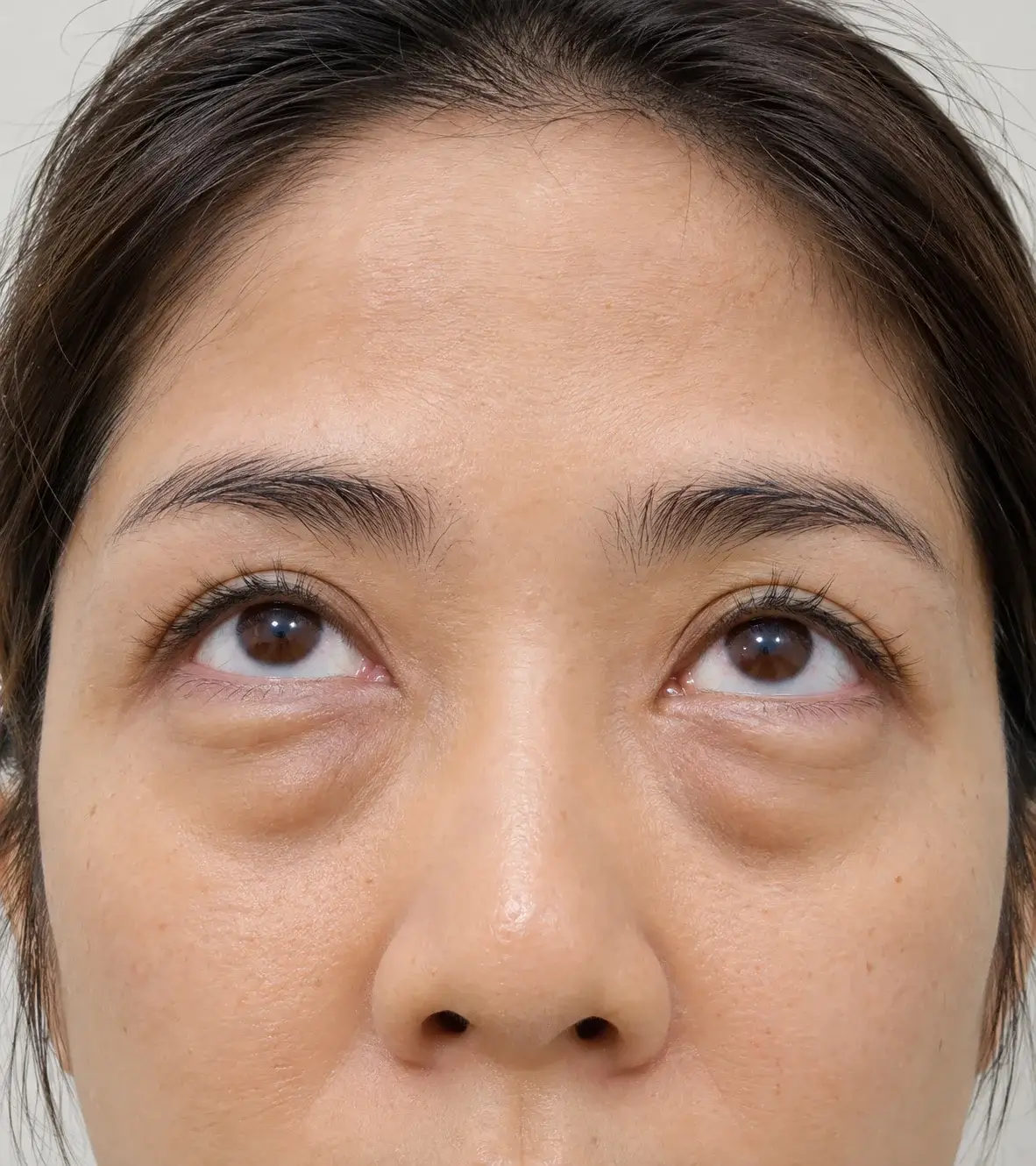


Puffiness, Fat Pads and Under-Eye Shadows
The area beneath your eyes can look swollen, heavy or shadowed for several different reasons. Fluid may gather overnight, particularly after poor sleep, allergies or a salty meal. This type of puffiness often changes throughout the day.
If the bulge remains visible even when you are well rested, natural fat distribution, ageing-related tissue changes or inherited facial features may be contributing. Dark circles and under-eye hollows can also make bags look more prominent, but they are not the same concern.
Identifying the underlying cause matters because reducing temporary swelling and treating persistent lower-eyelid bags require different approaches.



Not sure which concern matches yours? Arrange an assessment to explore possible causes.

The swelling stays visible even after a full night of rest.
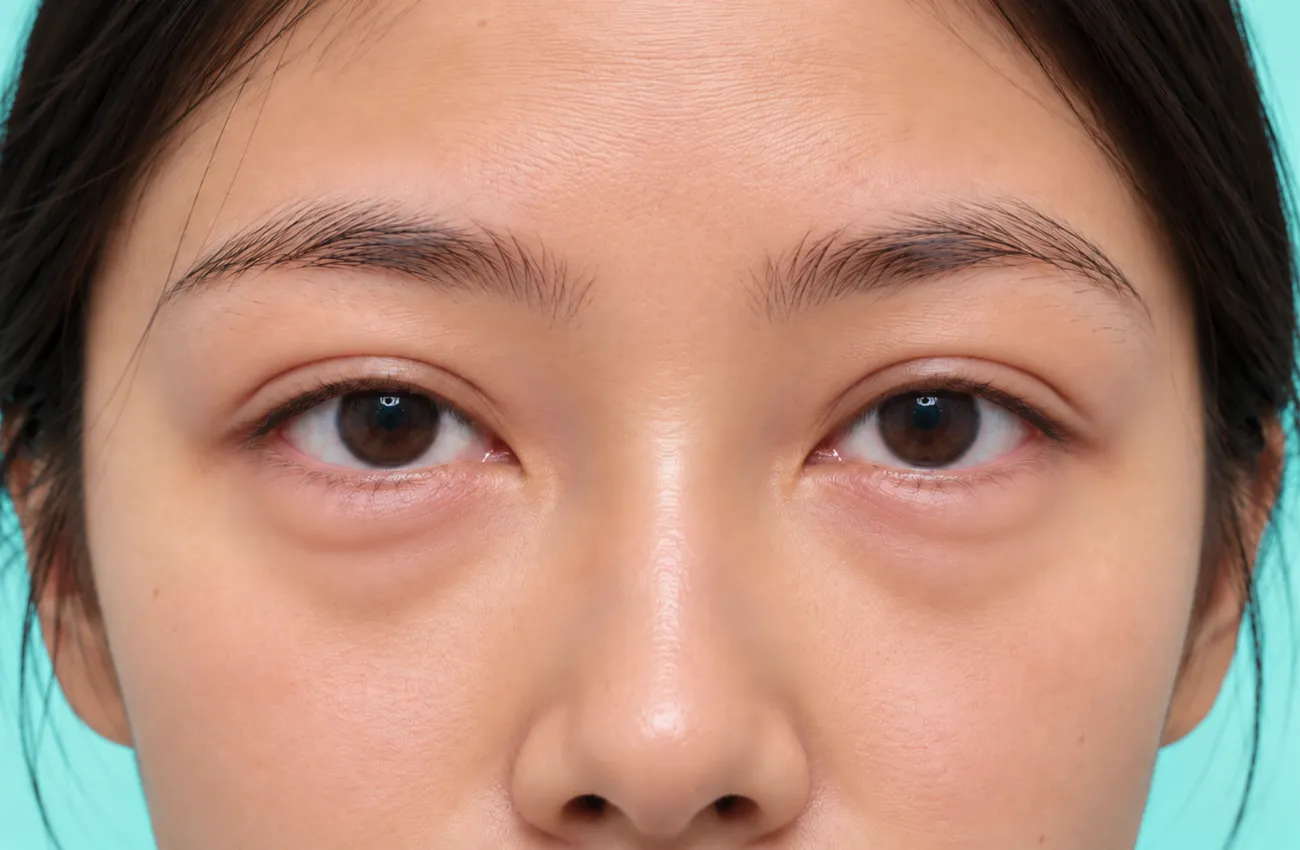
Your lower eyelids appear swollen after waking and improve later.
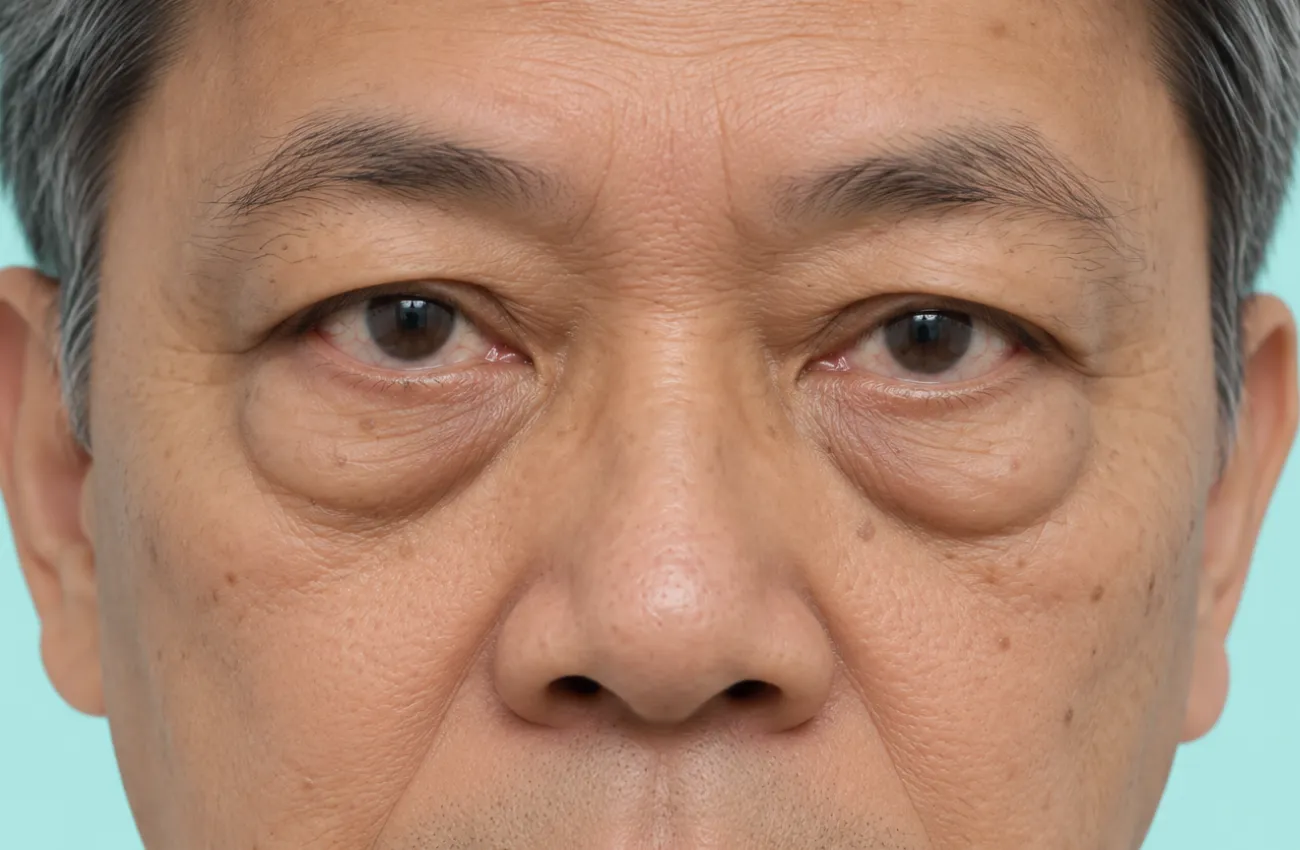
A distinct pouch sits beneath the lower eyelid, often linked to fat or tissue changes.

A visible bulge casts a shadow, making the eye area look darker or tired.

The transition between your lower eyelids and cheeks looks uneven.

Puffiness or protruding bags become more noticeable over the years.

Fine lines and lax skin accompany the fullness beneath your eyes.
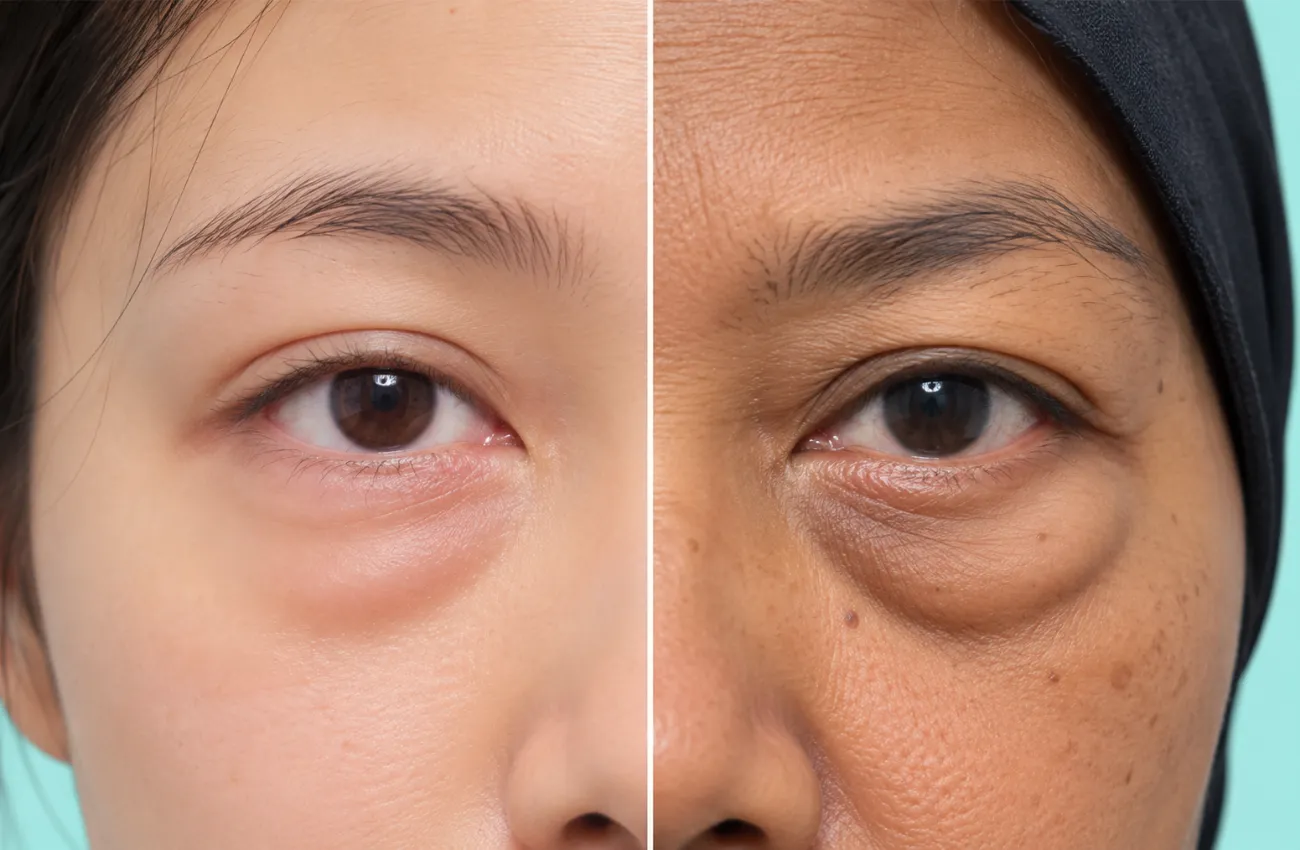
You are unsure whether swelling, fat, hollows or pigmentation cause the appearance.
Noticing puffiness or bags beneath your eyes? Book a consultation to discuss your under-eye concerns.
Some eye bags are temporary; others reflect structural changes. Knowing the difference is the starting point.
As the delicate tissues around the eyes change, fat may become more visible beneath the lower eyelids.

Puffiness can be worse on waking or after salty meals, and may improve during the day.

Inherited lower-eyelid shape and fat distribution can make eye bags noticeable even at a younger age.


Allergic symptoms and rubbing the eyes may contribute to temporary swelling and a tired appearance.

Insufficient sleep or smoking can accentuate puffiness, skin changes and under-eye shadows.
Tear-trough hollows or pigmentation may exaggerate the appearance of eye bags without being true bulges.
If swelling changes from morning to evening, simple measures may help manage temporary puffiness. Persistent bags caused by prominent tissue or fat usually respond differently.
Apply a clean, cool cloth gently over closed eyes for a short period to help soothe mild swelling.
Consistent sleep, reducing excess salt and slightly elevating your head at night may reduce fluid-related puffiness.
Avoid rubbing your eyes. If allergies are involved, discuss safe treatment with a healthcare professional.
Seek medical attention if swelling is sudden, painful, red, affects vision or comes with other concerning symptoms. This page is educational and cannot diagnose the cause of swelling.
What helps depends on whether the main concern is temporary swelling, structural eye bags, skin laxity or under-eye shadowing. Explore the next steps below, including Belle Clinic’s relevant treatment page.
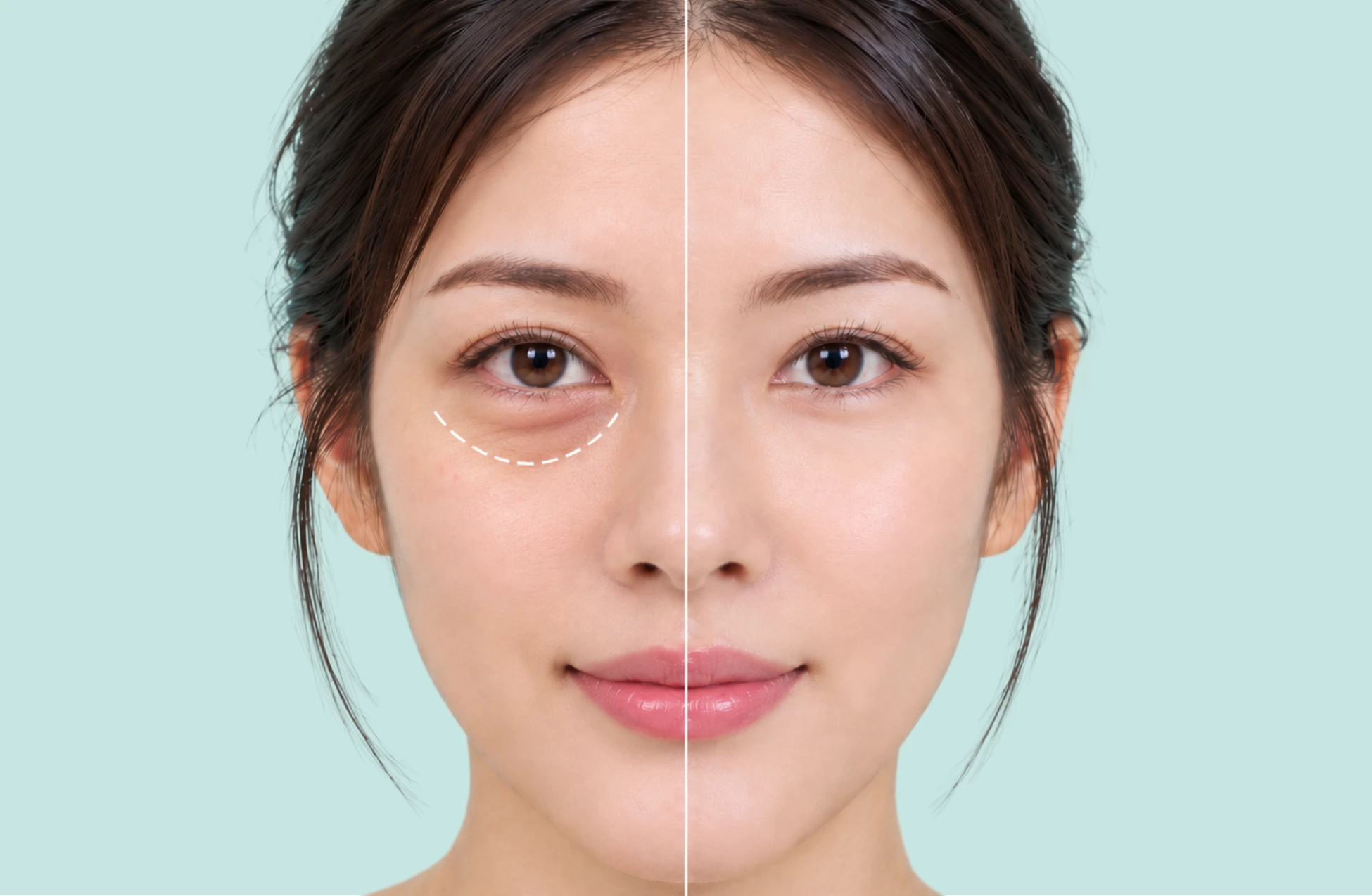
For persistent lower-eyelid bags, learn about Belle Clinic’s eyebag removal service, consultation and the importance of establishing which treatment is suitable.
Explore Eyebag Removal
If you also notice dark circles, hollows, fine lines or loose skin, explore how these eye-area concerns differ from actual eyebags.
Understand Eye Rejuvenation
Still waking up with visible eye bags? Read why sleep is only one factor and why a persistent bulge may have a different explanation.
Read the Guide
Not sure what is causing your eye bags? Discuss the appearance, your medical history, possible options, limitations and expected outcomes.
Book a ConsultationEye bags are not the same as dark circles or crow’s feet. Belle Clinic’s Eyebag Removal page is the main related treatment; other eye concerns should be assessed individually.


Describe when the bags appear, how long they last and which changes concern you.

Review puffiness, lower-eyelid contour, skin condition and relevant health factors.
Understand whether self-care, further assessment or an aesthetic treatment may suit your concerns.

Review potential risks, recovery, aftercare and follow-up if a treatment is recommended.

Improvement Depends on the Cause
Fluid-related puffiness may improve with appropriate self-care, while persistent structural eye bags may need a different discussion.
The degree and duration of improvement depend on your anatomy, skin quality, the selected approach and ongoing ageing.
If treatment is considered, ask about potential side effects, downtime, realistic outcomes and follow-up before deciding.



Personalised Aesthetic Care
Belle Clinic in Petaling Jaya approaches eye bags as an individual concern, not a one-size-fits-all diagnosis.
Our consultation considers whether your appearance is influenced by fluid, prominent lower-eyelid tissue, pigmentation or under-eye hollows.
You can discuss treatment suitability, limitations and next steps with Dr. Chiam Tee Kiang.
A full night of sleep may not remove bags caused by genetics, prominent lower-eyelid fat or age-related tissue changes. Morning puffiness related to fluid can behave differently.


Get an individual assessment to understand your under-eye concerns and discuss appropriate next steps.