



 MILD SKIN LAXITY
HIFU Facial
For people exploring non-surgical ultrasound-based firming for selected areas of mild facial looseness. Changes are generally subtle and gradual.
Explore HIFU FacialDo your cheeks look lower, your jawline less defined or your skin less firm than before? Explore why these changes happen and which facial lifting options may suit your concerns.



Understand the changes before choosing a treatment
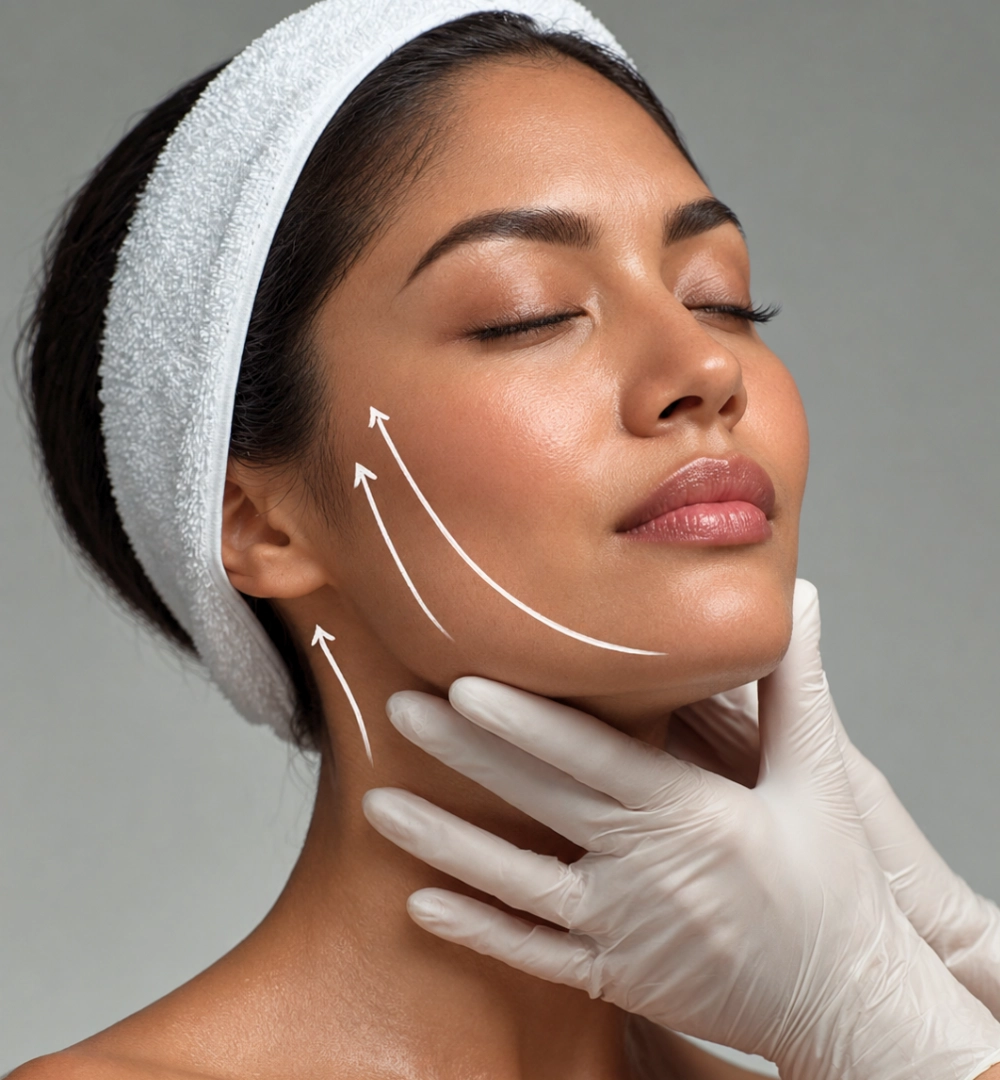
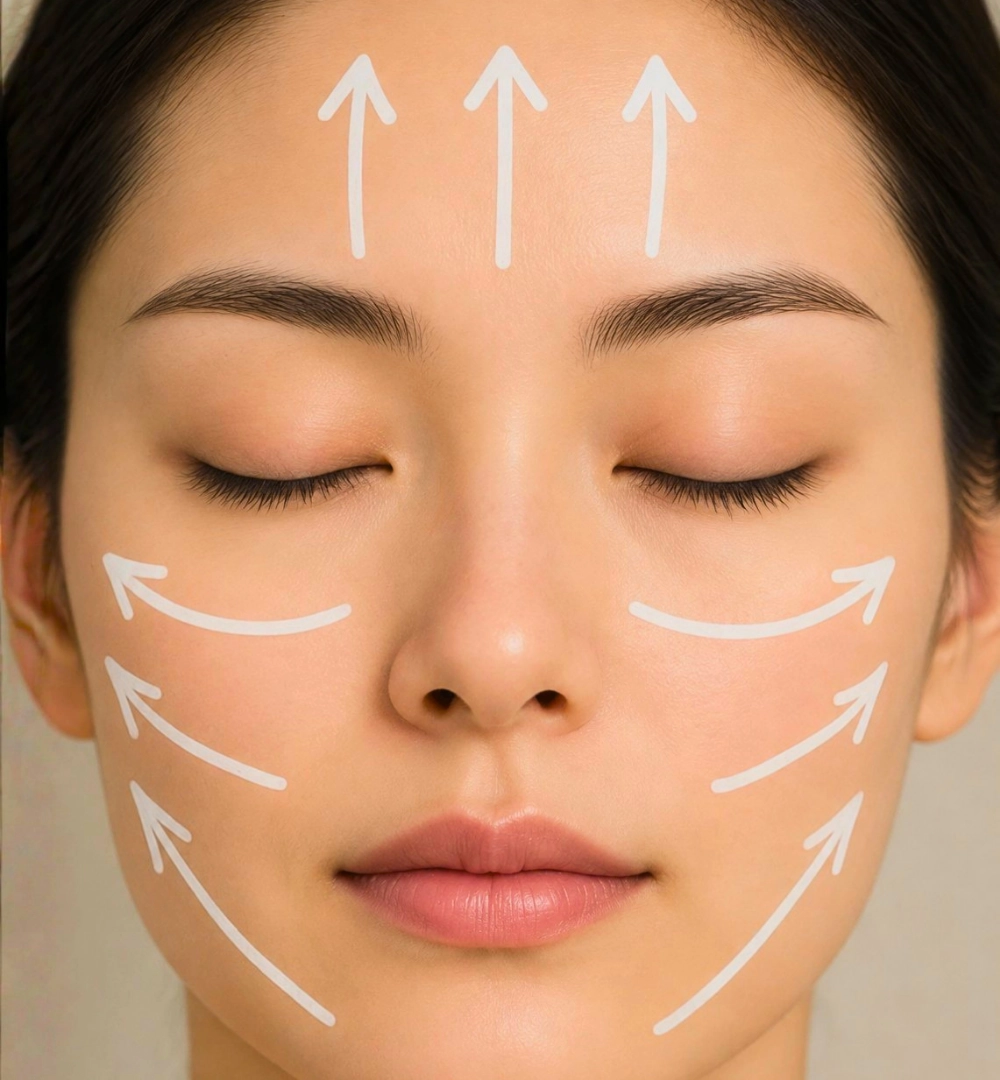
Facial sagging can show up as lower-looking cheeks, jowls, deeper folds beside the mouth or a jawline that seems softer in photos. These changes may involve the skin, underlying support and facial volume—not just wrinkles.
“Facelifting” is often used broadly, but non-surgical skin-tightening treatments are not the same as a surgical facelift. At Belle Clinic, a consultation helps identify your main concern, assess the degree of laxity and discuss realistic options.



Facial ageing is not the same for everyone. These are common changes people notice in the mirror or in photographs.
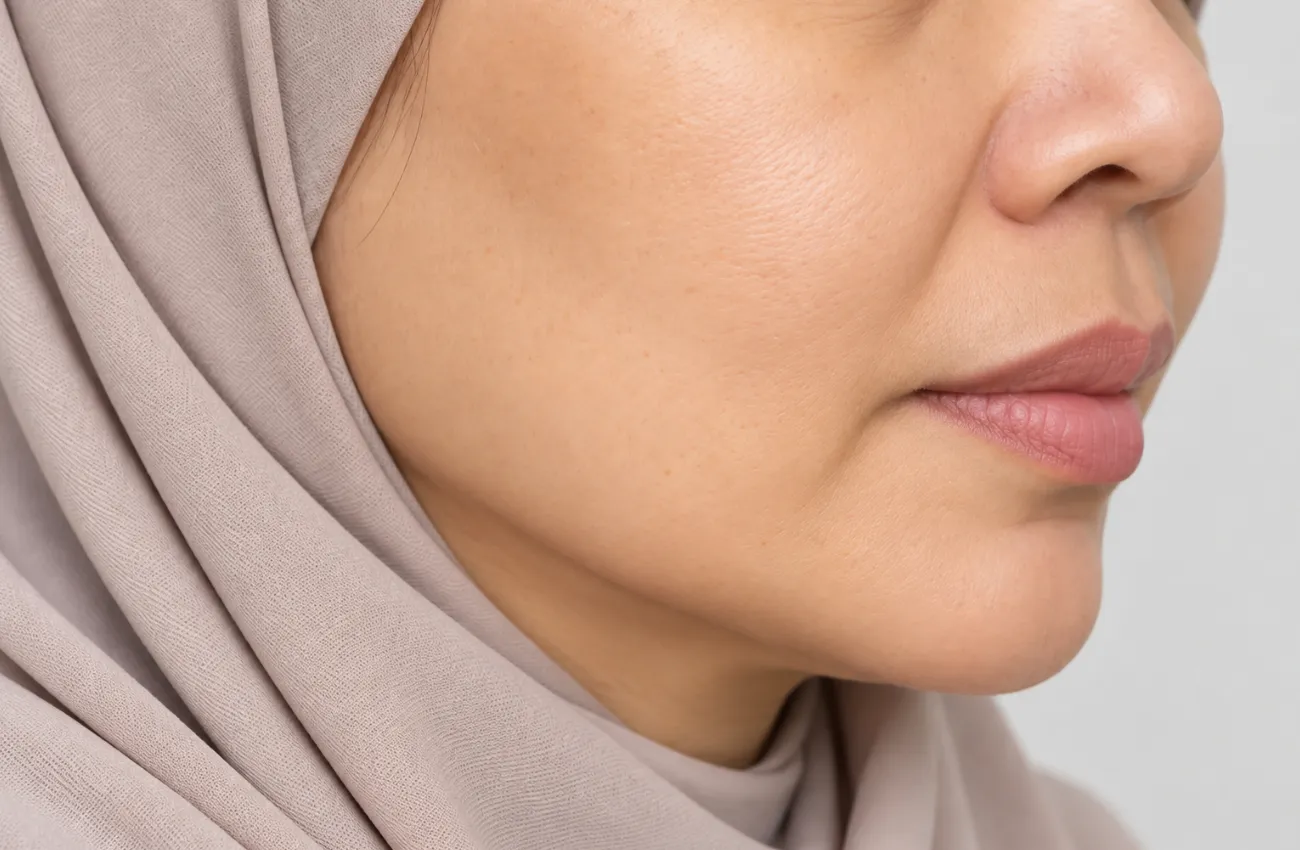
You notice that your cheeks sit lower than before, especially in photos taken from the side.
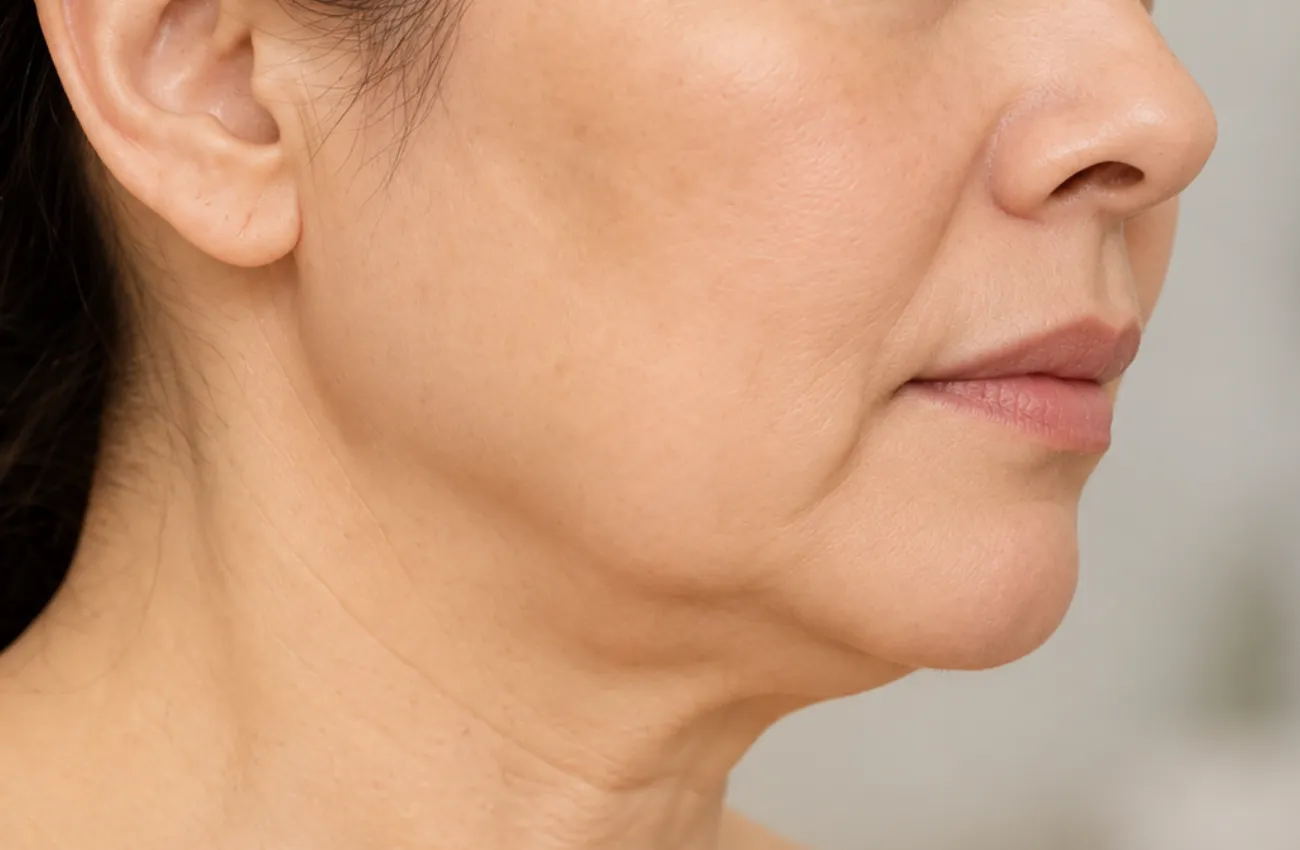
The previously defined line between your chin and jaw seems softer or less distinct.
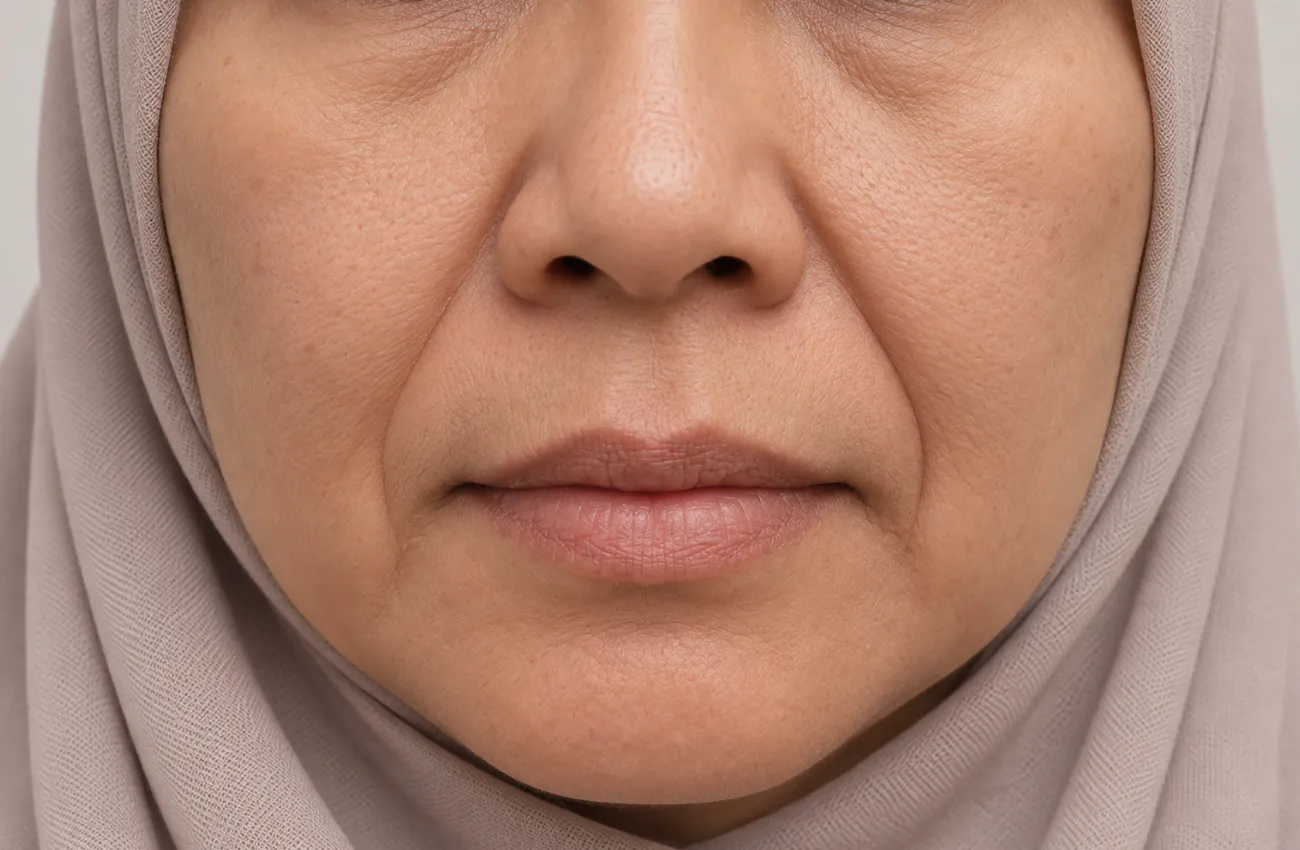
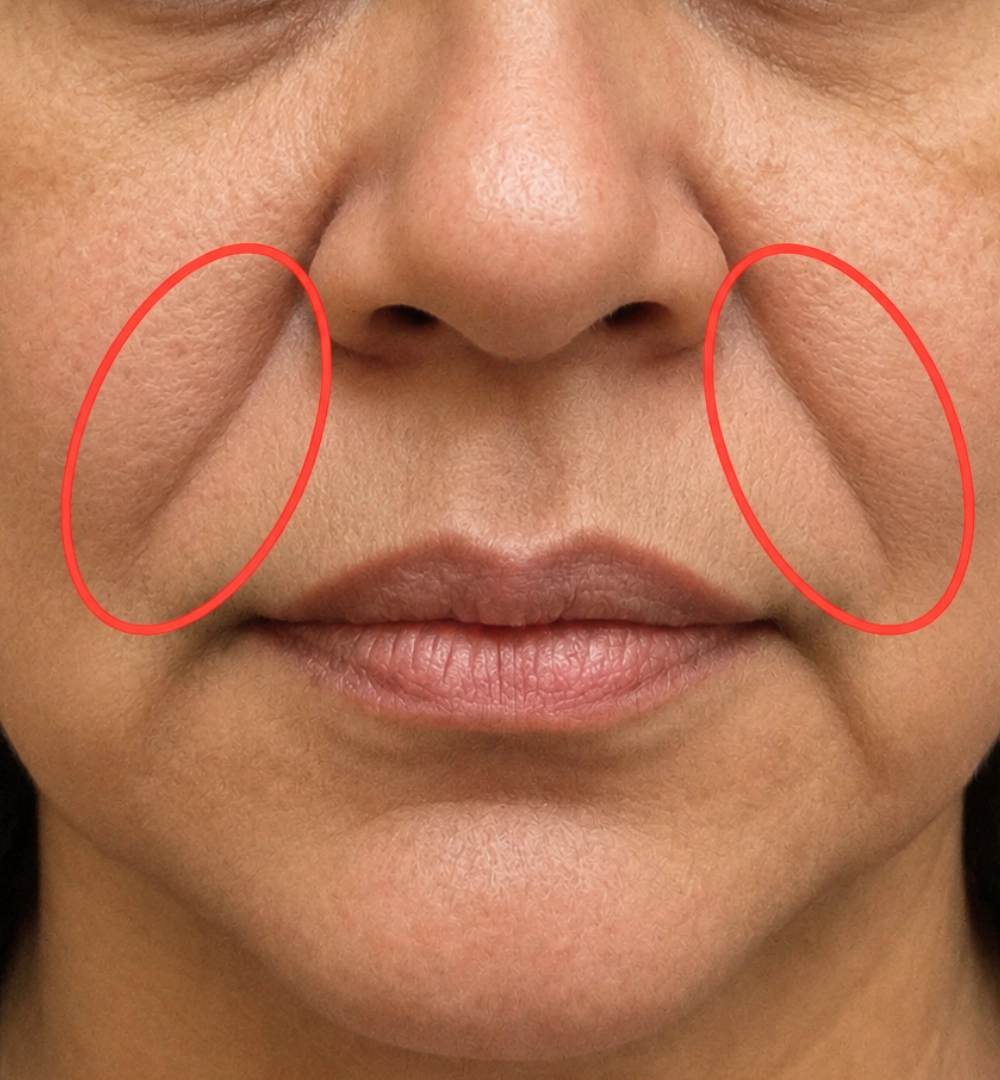
The lines from your nose to the corners of your mouth are more noticeable, even at rest.

Your face seems less taut and the skin no longer has the same spring or firmness.
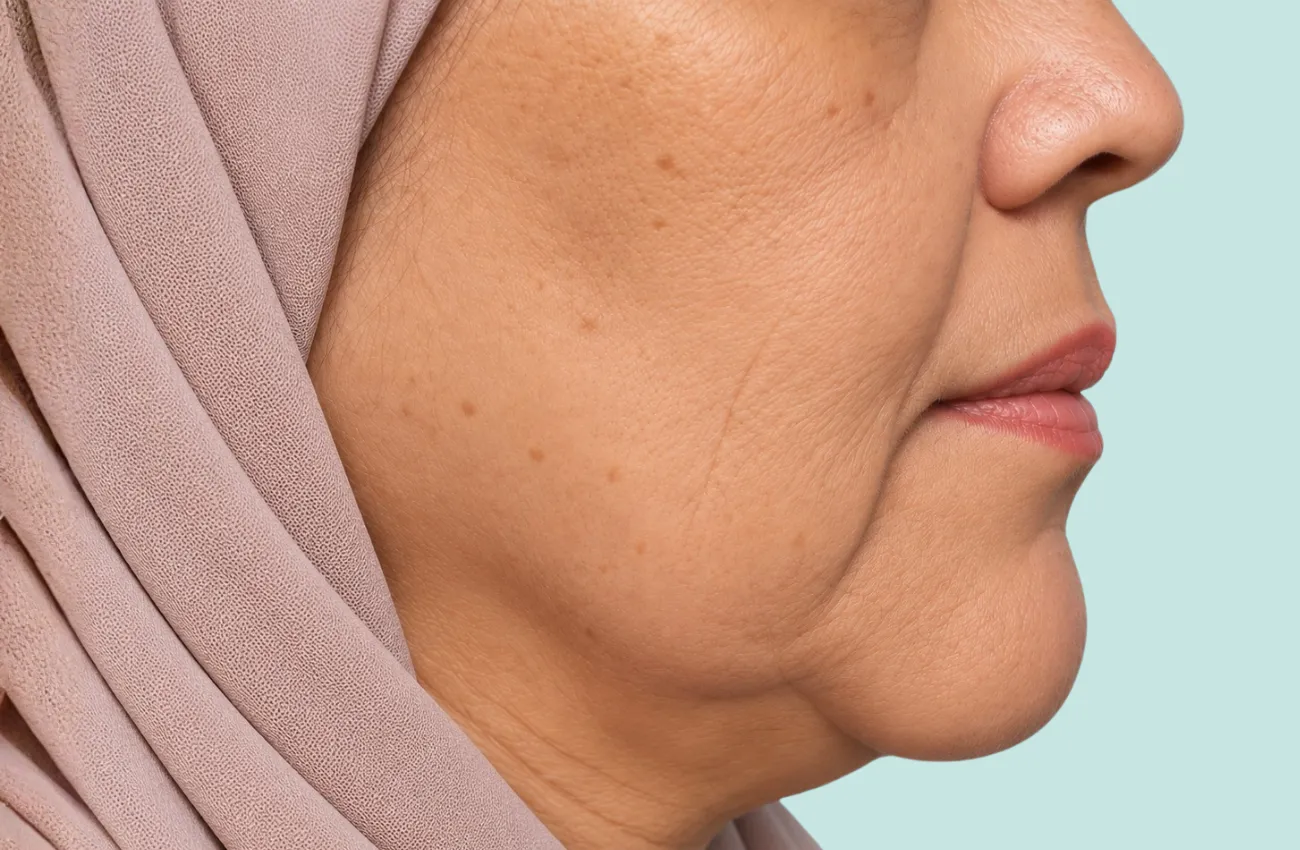
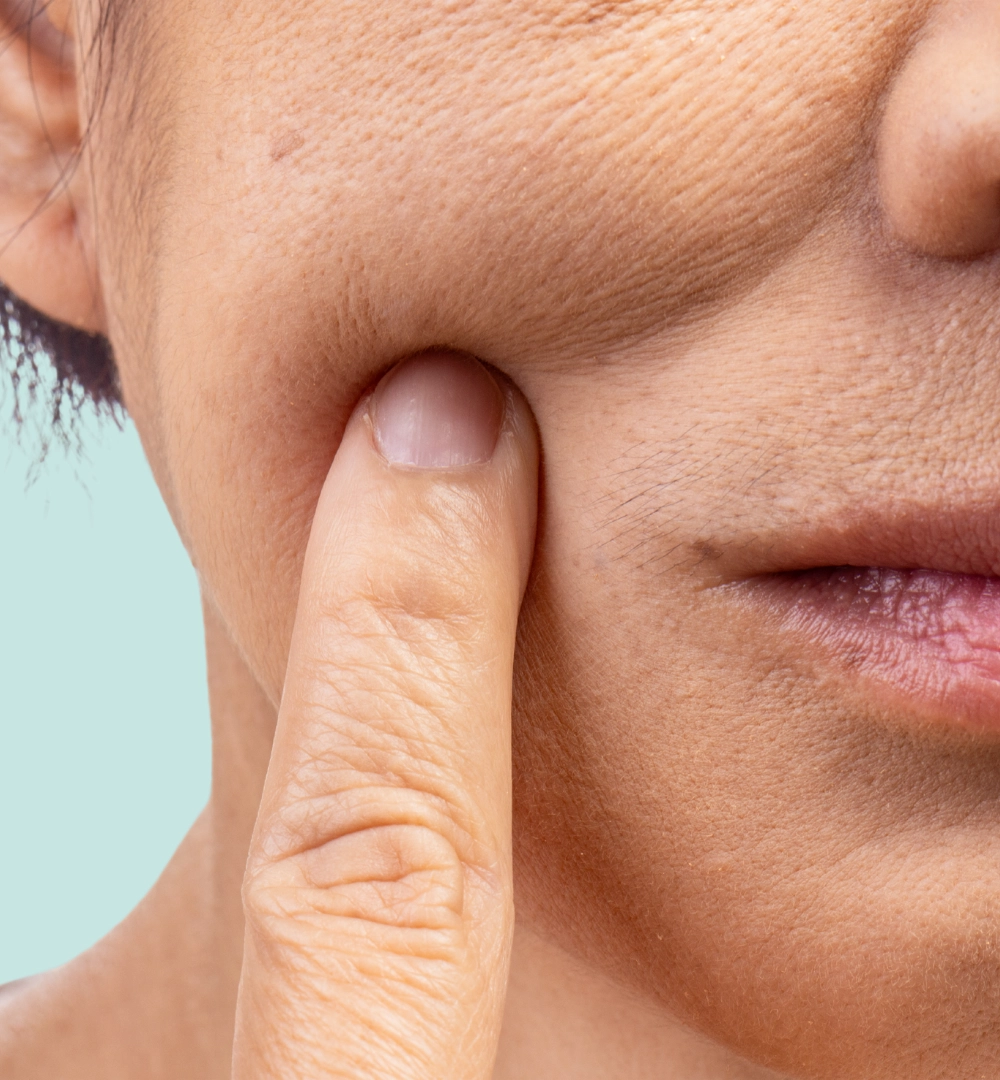
Small pockets of looseness near the corners of your mouth change the outline of your jaw.
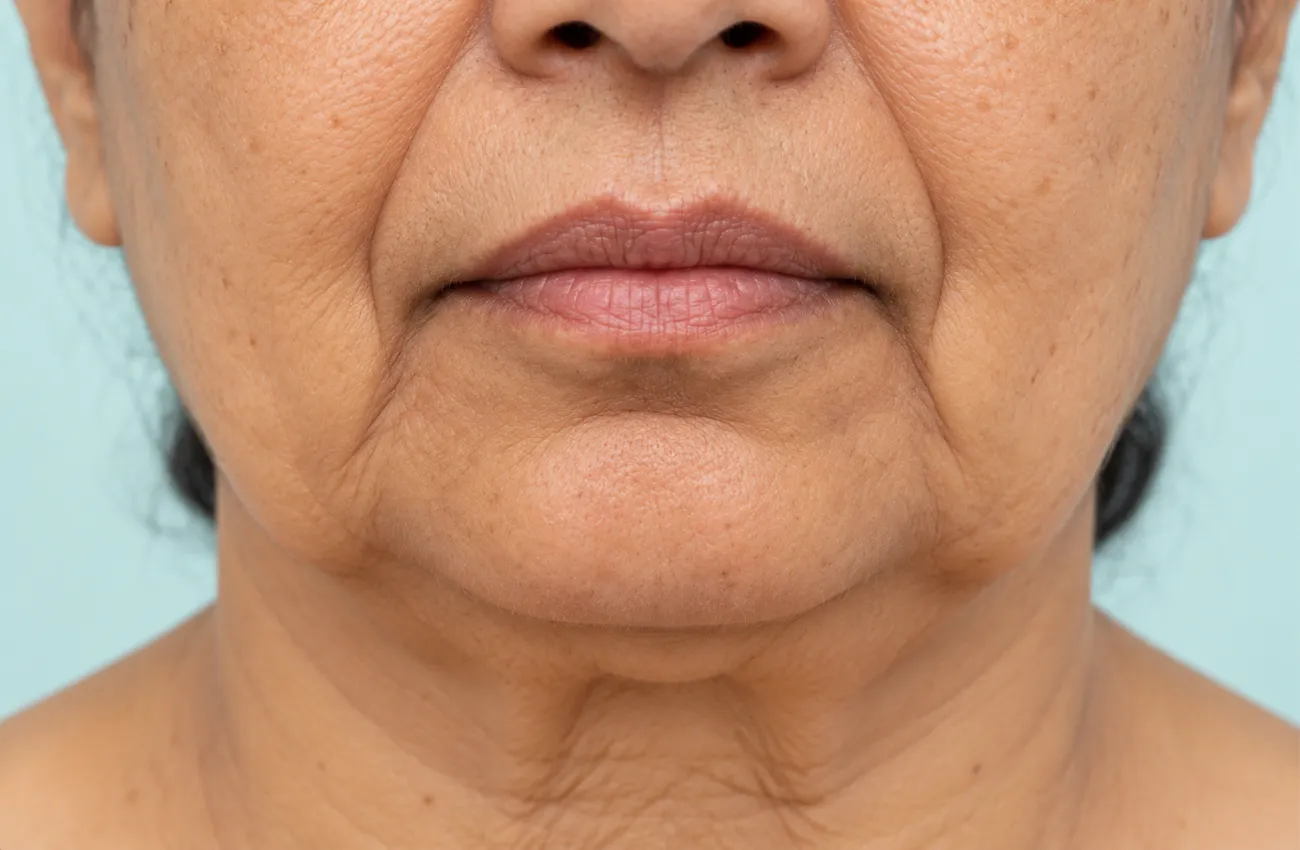
You see more fullness or downward movement around the lower cheeks, despite stable weight.
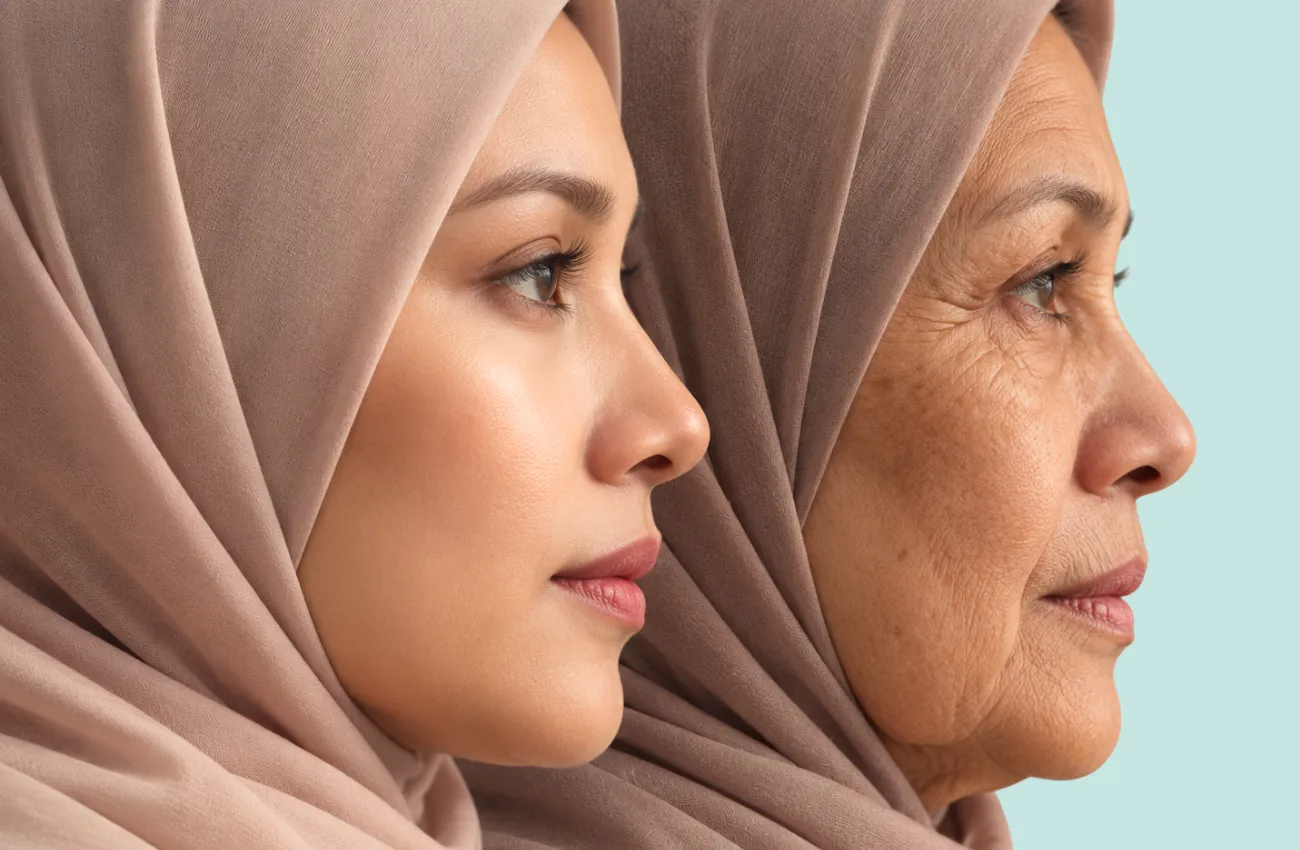
Over time, your face looks different as skin elasticity and supporting structures change.
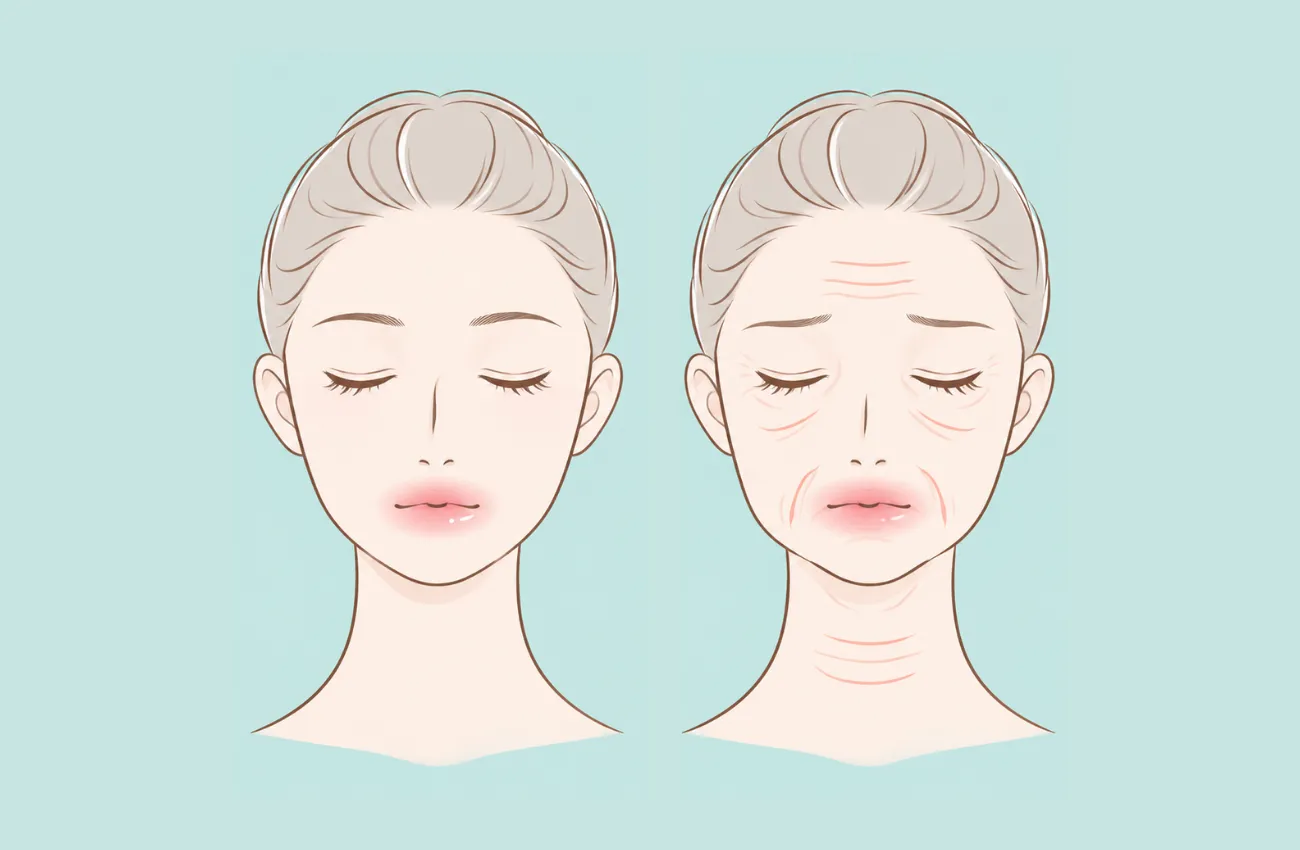
Loss of cheek volume or soft-tissue support can make your face look less defined or balanced.
Not sure whether you have skin laxity, volume loss or both? Book a consultation for an individual facial assessment.
Facial ageing affects more than the skin surface. Knowing what has changed helps explain why one treatment may suit you better than another.
Collagen and elastin change with age. Sun exposure and lifestyle can contribute to thinner, less resilient skin.
Changes in facial fat distribution and underlying support may make cheeks look flatter and folds more pronounced.
Mild looseness and significant tissue descent are different concerns. Non-surgical treatments cannot reproduce a surgical facelift.
Possible changes depend on the underlying concern, treatment selected and individual response. Not every treatment directly lifts sagging tissue.
Selected treatments may help improve the appearance of mild jawline or cheek laxity.

Skin-tightening options may produce gradual, modest changes in selected areas.

Assessment can help distinguish loose skin from facial volume loss.

Discuss the factors that may contribute to jowls and changing lower-face definition.

Consider lifting-focused care separately from treatments for fine lines or skin quality.
Know the likely benefits, limitations, downtime, risks and follow-up needs before deciding.
Is your main concern sagging skin, softer jawline definition, facial volume changes or expression lines? Explore each service below, then discuss which approach—if any—is suitable for you.
MILD SKIN LAXITY
For people exploring non-surgical ultrasound-based firming for selected areas of mild facial looseness. Changes are generally subtle and gradual.
Explore HIFU Facial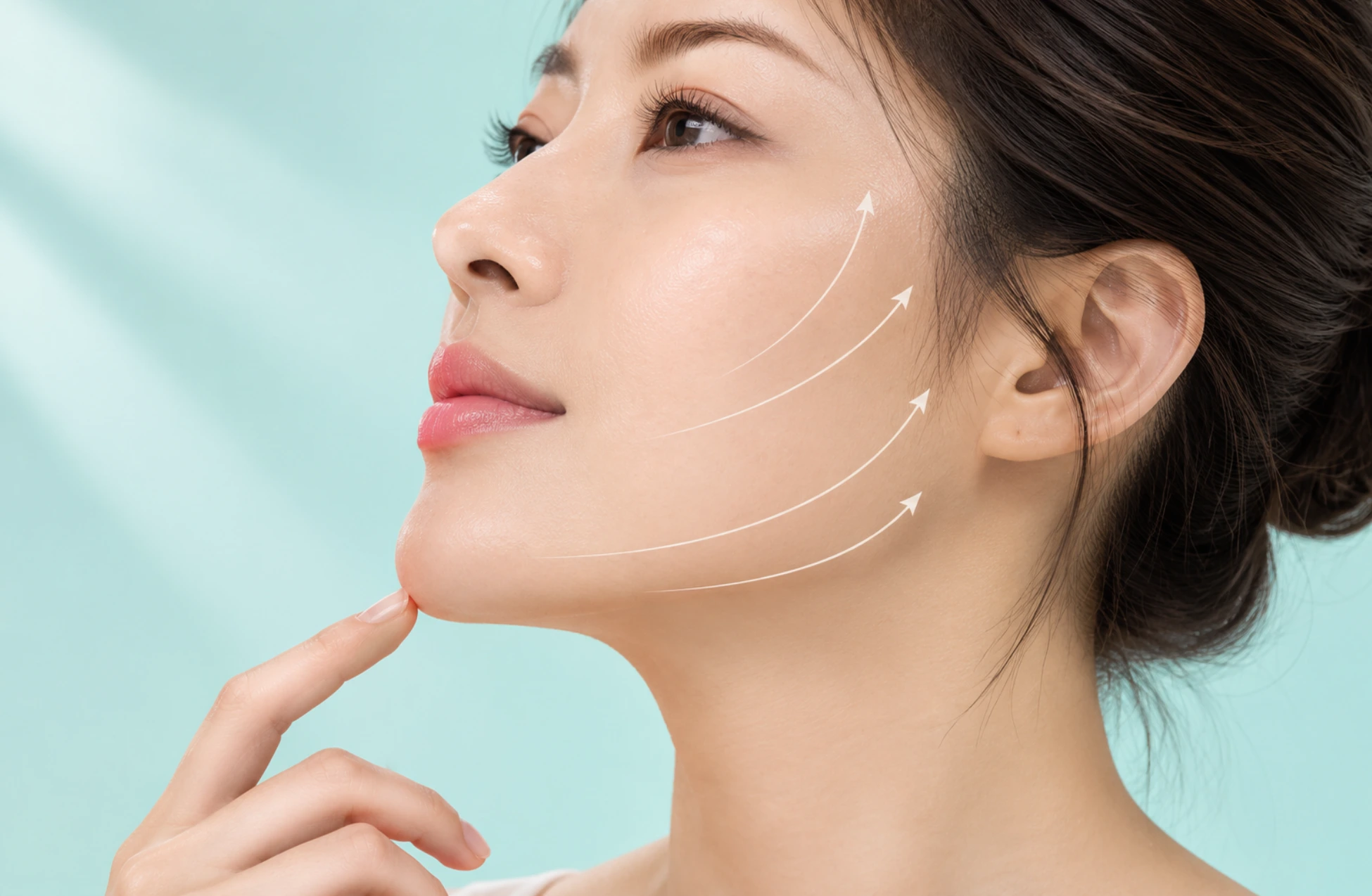 LIFTING-FOCUSED OPTION
A Belle Clinic lifting-focused service to discuss when jawline or lower-face sagging is your main concern. The procedure type and suitability need clarification during consultation.
Explore Queen Mini Facelift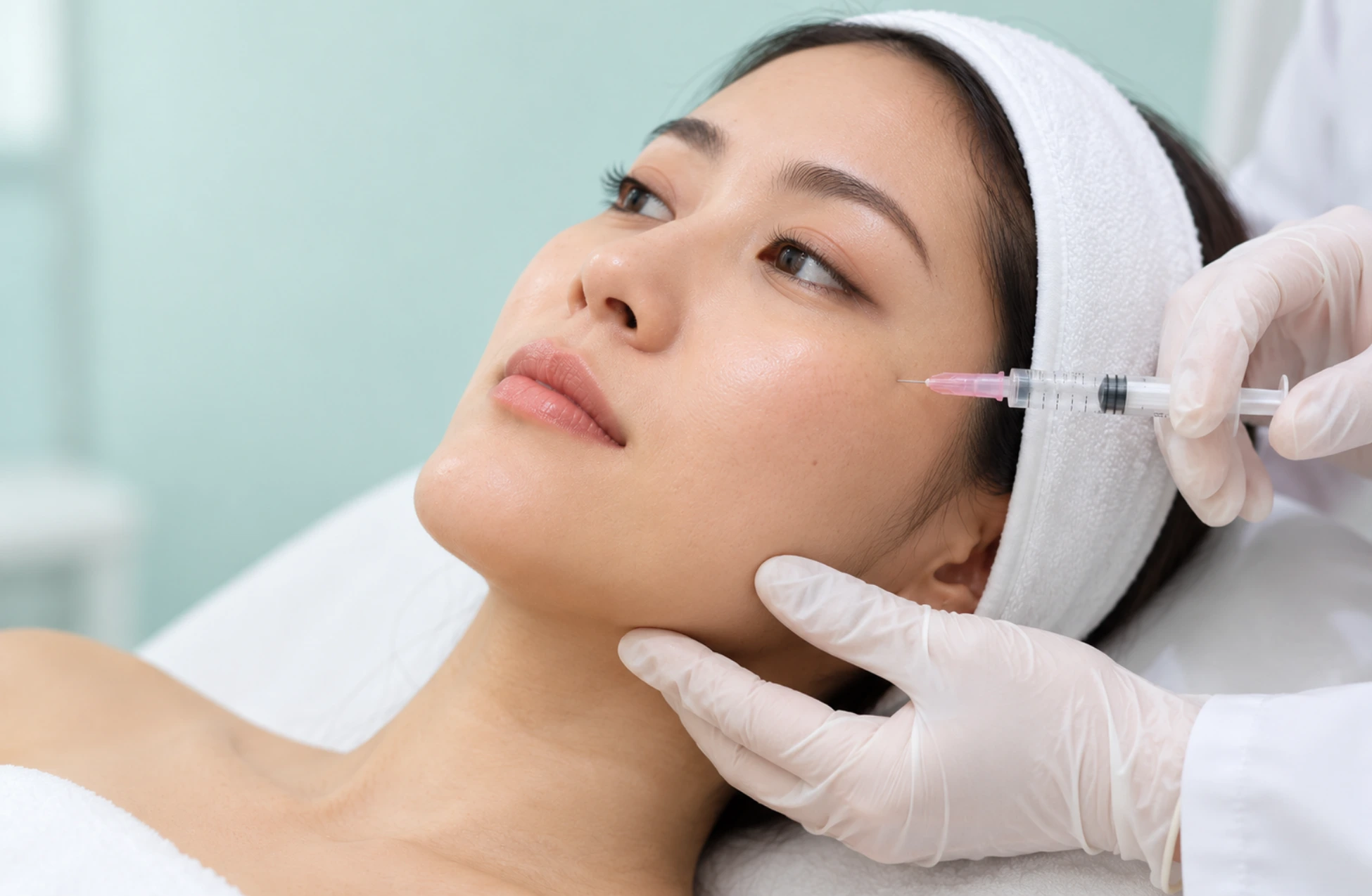 SKIN QUALITY & SUPPORT
A separate option for selected age-related skin-quality concerns. It should not be presented as equivalent to a procedure that repositions sagging tissue.
Explore Bio-Stimulator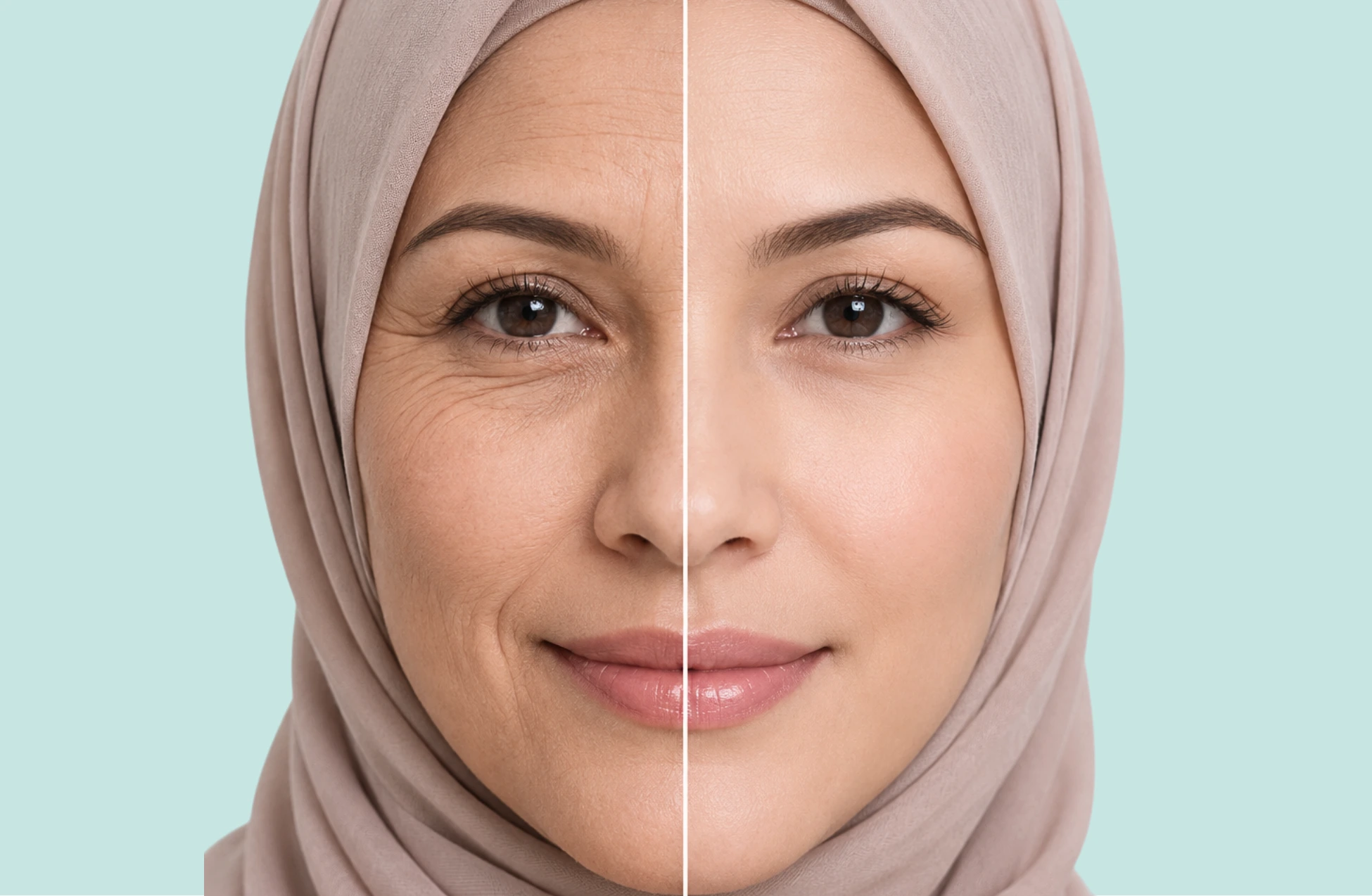 EXPRESSION LINES
May be relevant when your main concern is movement-related lines, rather than loose cheeks or jowls. Not a substitute for facial lifting.
Explore Anti-Wrinkle TreatmentThese services address different issues. Non-surgical treatments do not provide the same effect as a surgical facelift, and results are not guaranteed.

Discuss when you first noticed sagging, your goals and relevant medical history.
Review facial skin laxity, lower-face contour, volume loss and the degree of tissue descent.

Understand which services may help, and the benefits, limitations, risks and costs.
Discuss expected recovery, aftercare and when reassessment may be useful.
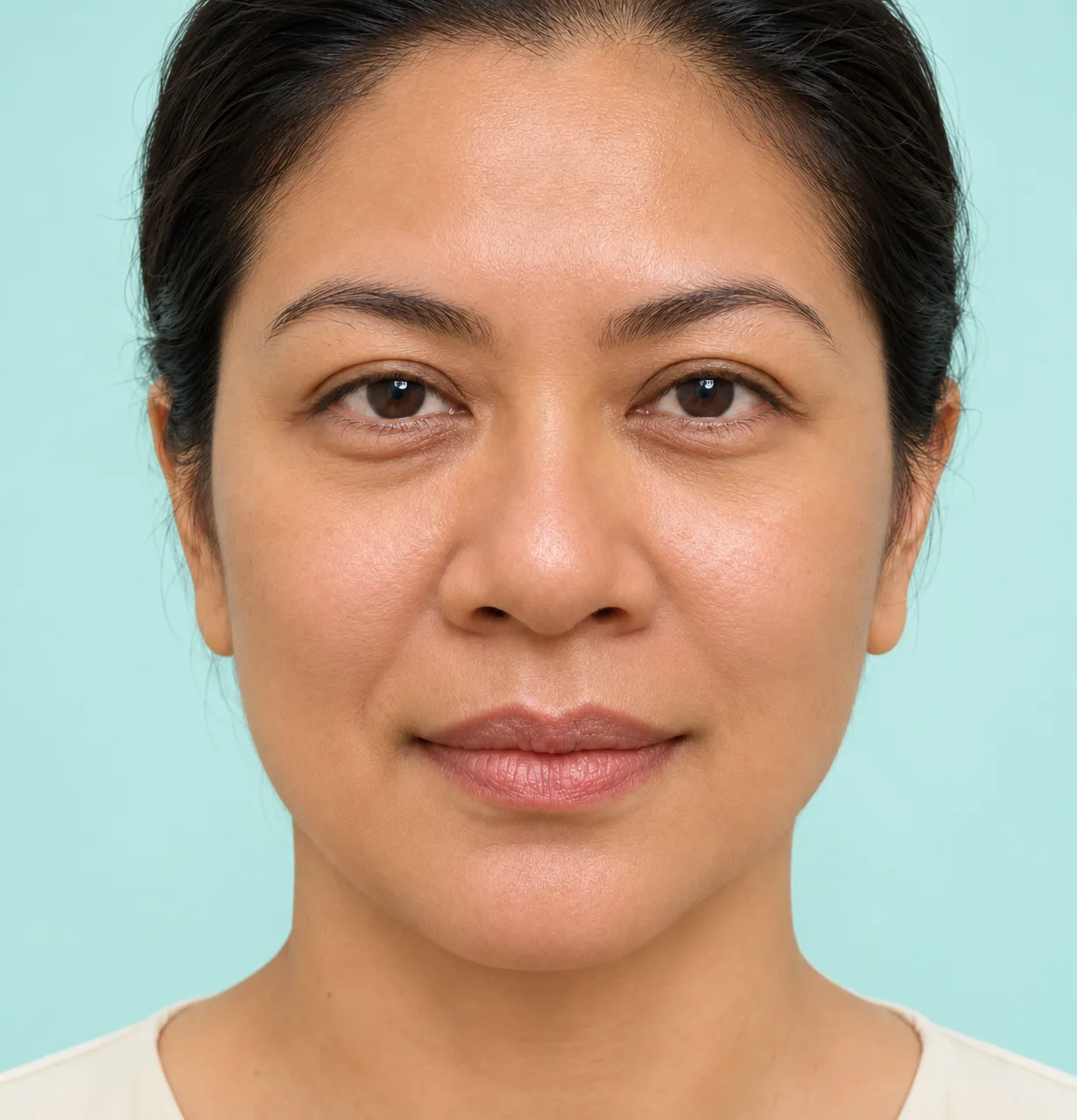
A natural-looking goal starts with the right expectations
Non-surgical tightening may help mild laxity, but its effects are typically more modest than surgical lifting. Deep jowls, excess skin and pronounced tissue descent may not respond sufficiently to energy-based care.
Treatment response varies with age, skin elasticity, facial anatomy and the chosen method. Some changes develop gradually, and further care may not always be appropriate.
Your doctor can explain possible discomfort, recovery, side effects and ongoing skincare. No procedure stops the ageing process or guarantees a specific degree of lift.


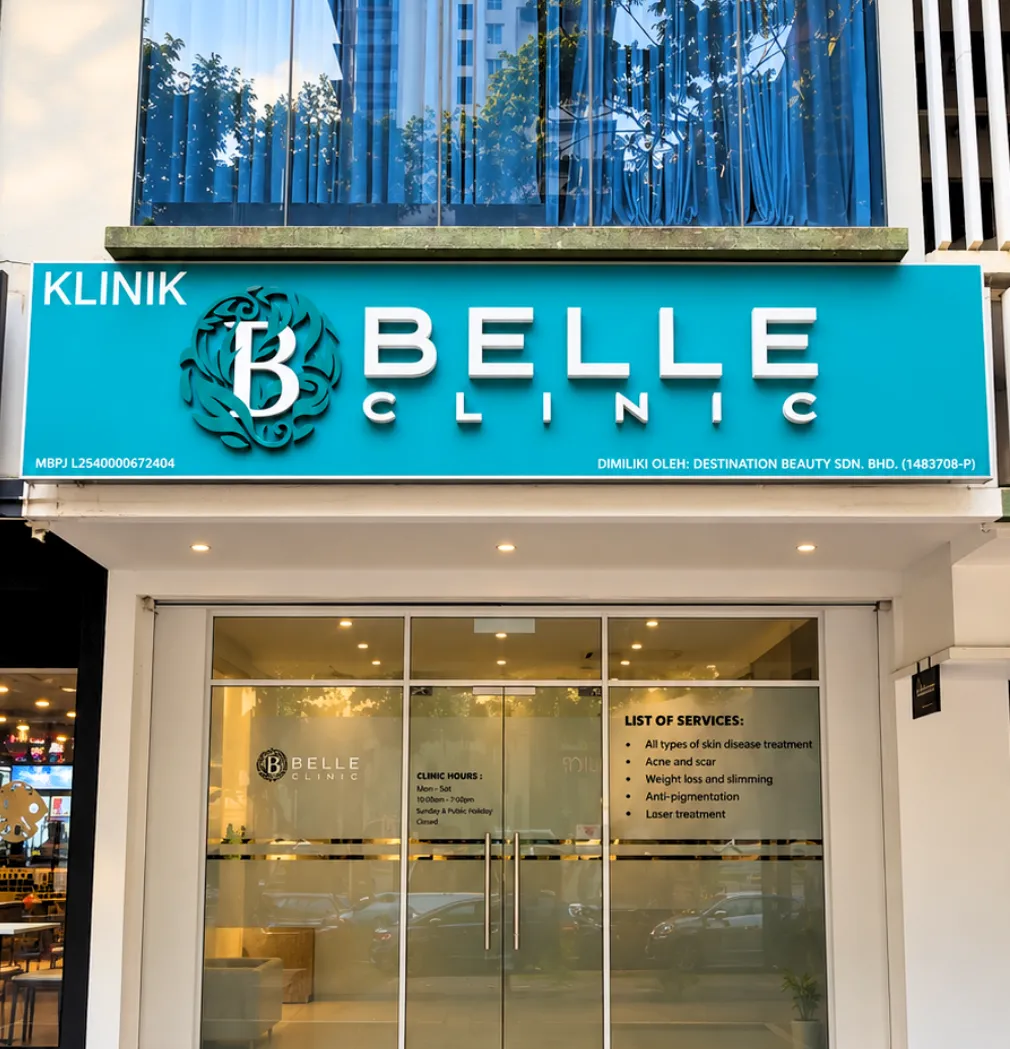
Personalised Aesthetic Care
At Belle Clinic in Petaling Jaya, we discuss how facial ageing appears on your cheeks, jawline and lower face—not simply which treatment is popular.
Dr. Chiam Tee Kiang can review your goals and relevant health history and explain whether you may be suitable for a lifting-focused or skin-quality treatment.
You can ask about expected results, alternatives, risks, follow-up and the difference between non-surgical options and surgical lifting.
Changes in skin elasticity, facial fat distribution and supporting structures can alter cheek and jawline definition even when your body weight stays similar.


Tell us what has changed about your cheeks or jawline and explore realistic options in consultation.