




Doctor-Guided Pigmentation Assessment
For melasma, recurring patches, unexplained spots and dark marks that have not improved. Identify the likely pigment pattern before considering procedures.
Book a Skin AssessmentBrown patches on your cheeks, stubborn acne marks or dark spots that keep returning? Learn what may be causing your uneven skin tone and how a personalised plan can help.
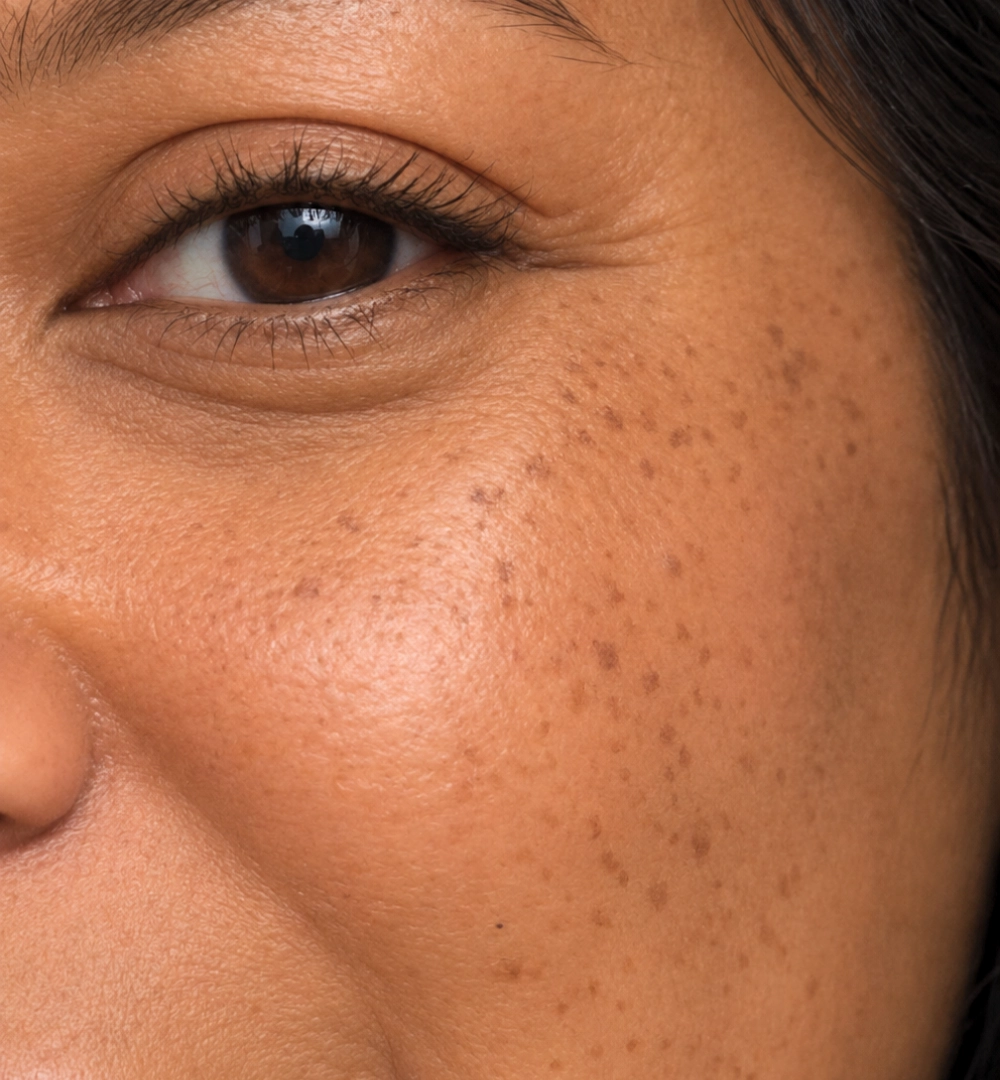
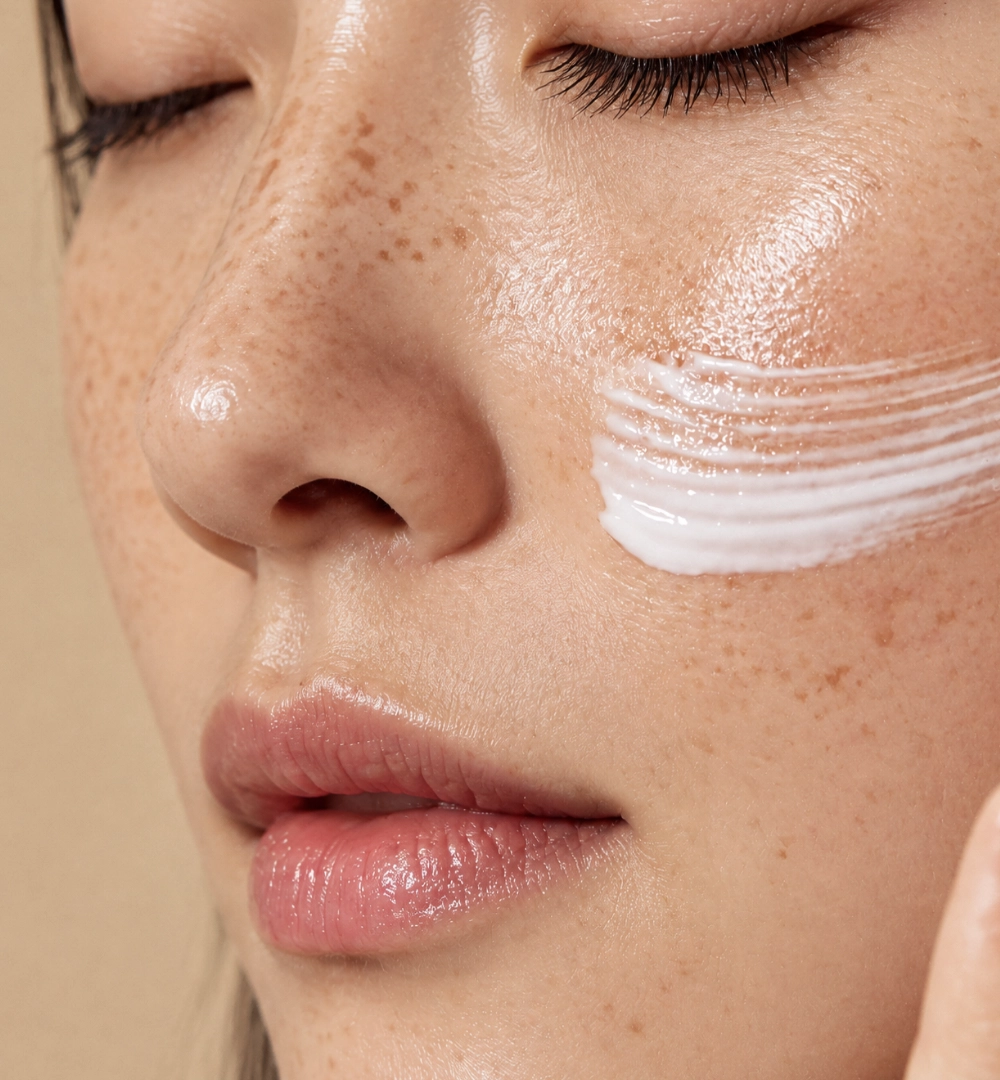
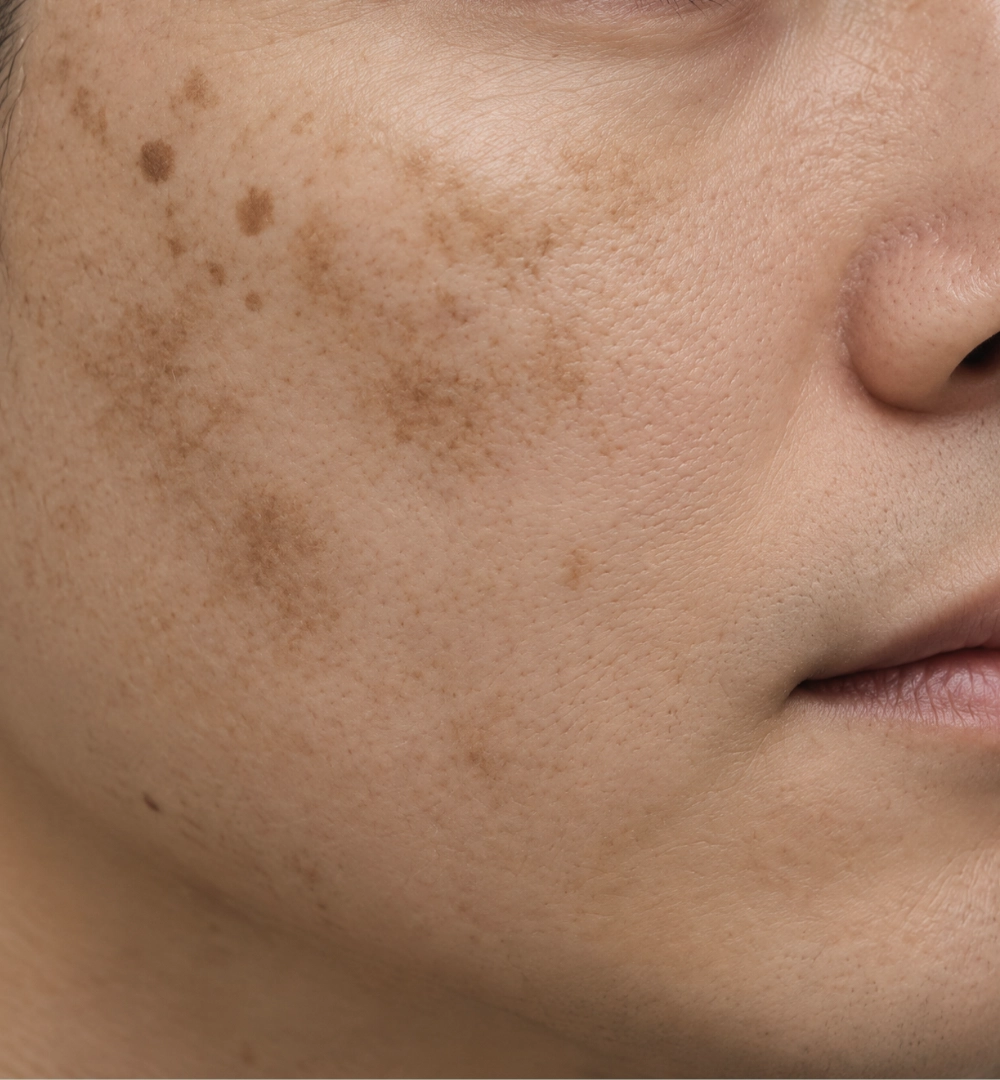

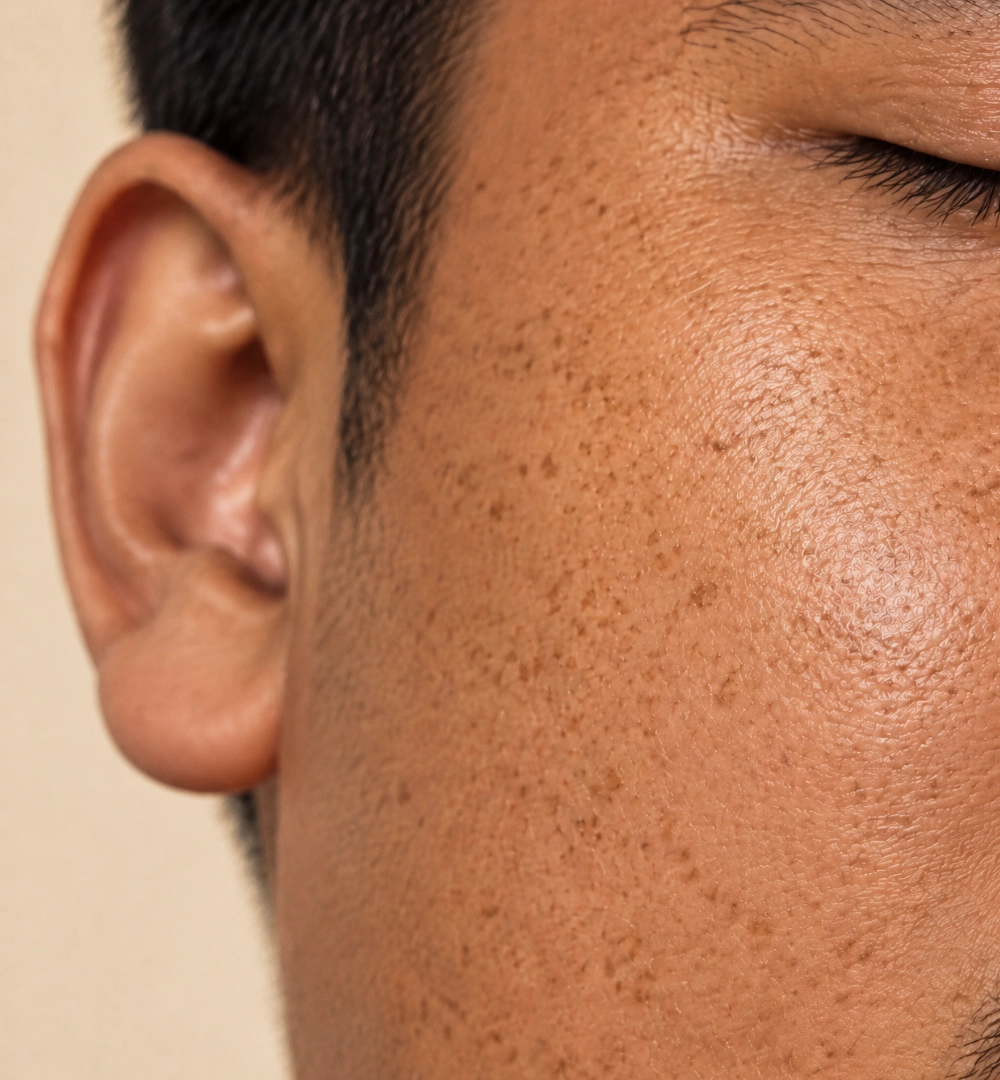


Melasma, Sun Spots and Post-Acne Marks Are Not the Same
Pigmentation occurs when some areas of the skin contain more melanin than their surroundings. You may notice symmetrical brown patches on your cheeks, individual sun spots or dark marks left behind after acne. These can look similar, but the cause matters when choosing care.
At Belle Clinic in Petaling Jaya, the first step is to review your skin tone, sun exposure, previous products or treatments, and the pattern of discolouration. An assessment helps distinguish cosmetic pigmentation concerns from spots that need medical evaluation.


Discolouration has different causes and patterns. Explore common pigmentation concerns below.
Brown or grey-brown patches on both cheeks or across the forehead that may become more visible with sun exposure.
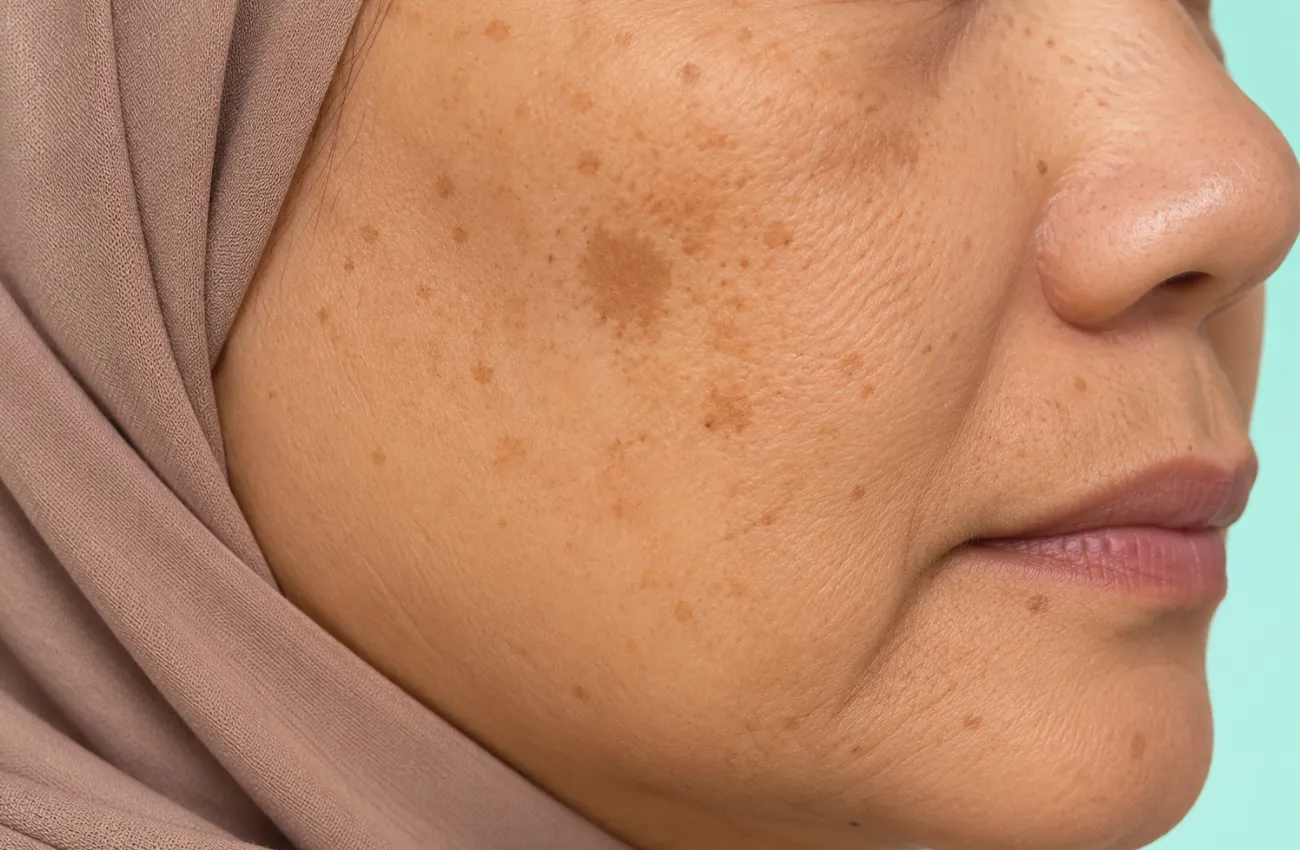
Flat, darker spots that develop over time on sun-exposed areas such as your face, hands or upper cheeks.

Brown or grey marks that remain after breakouts settle, even when the original pimples have healed.
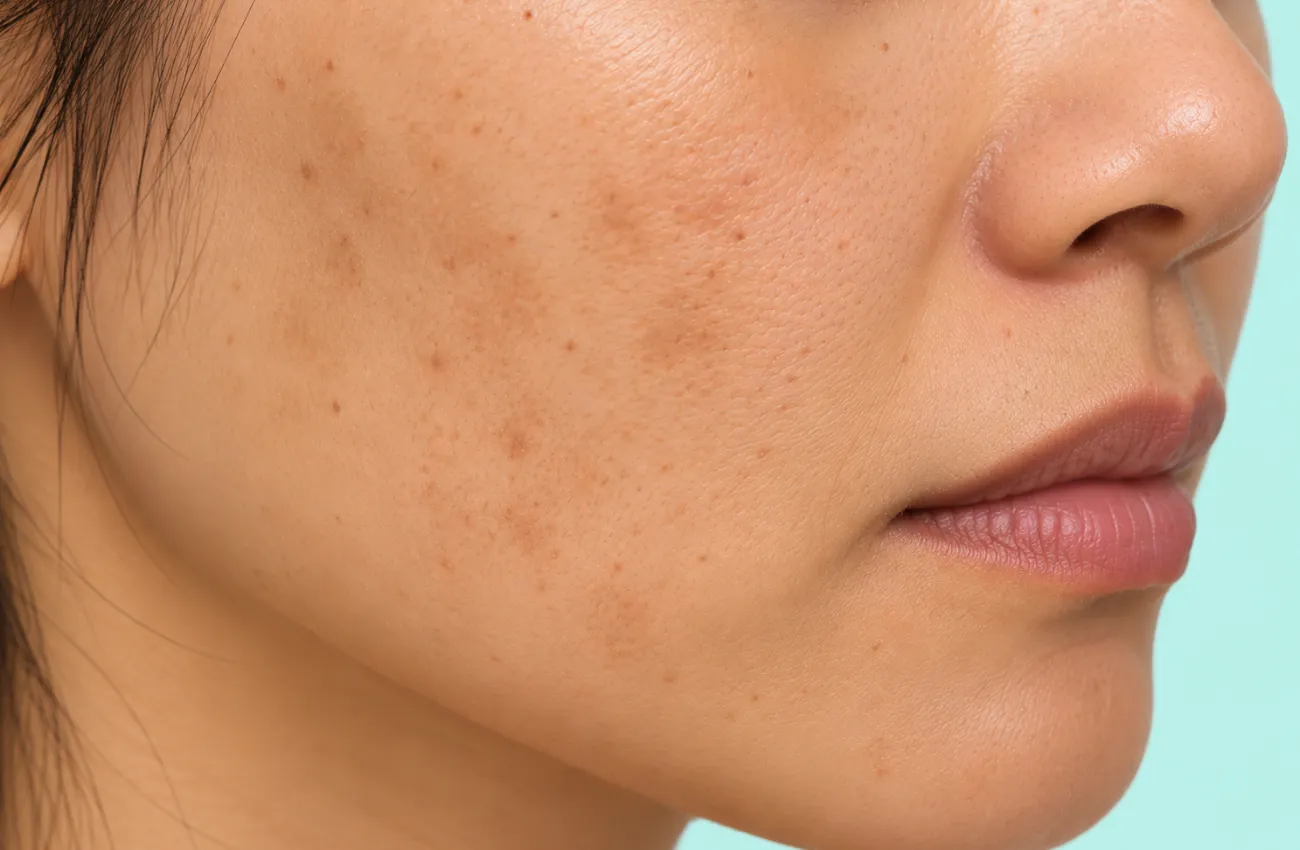
Noticeable differences in colour across your cheeks or forehead that make your complexion look uneven.
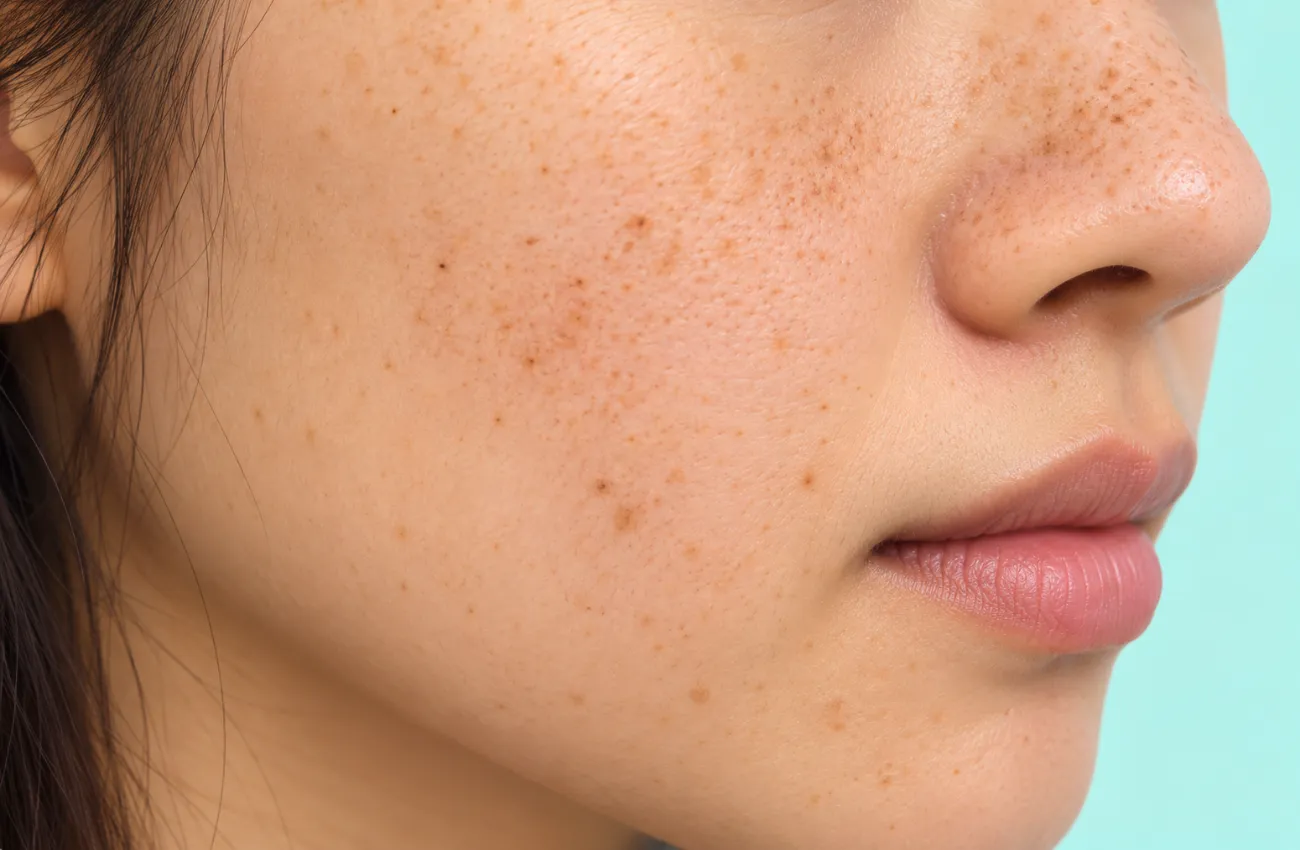
Small spots that appear darker or more noticeable after time outdoors, especially without sun protection.
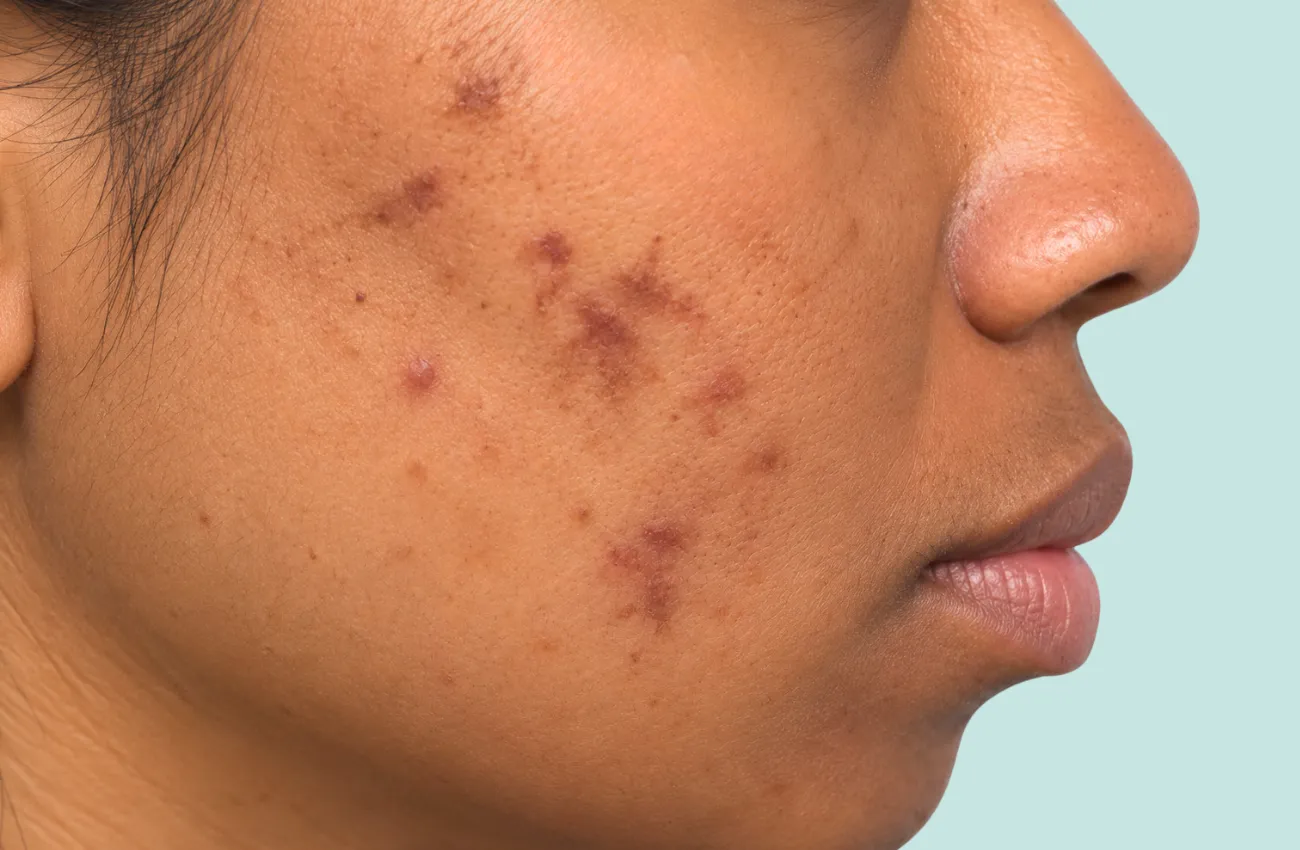
Pigmentation that appears after a rash, irritation, insect bite or skin injury has settled.
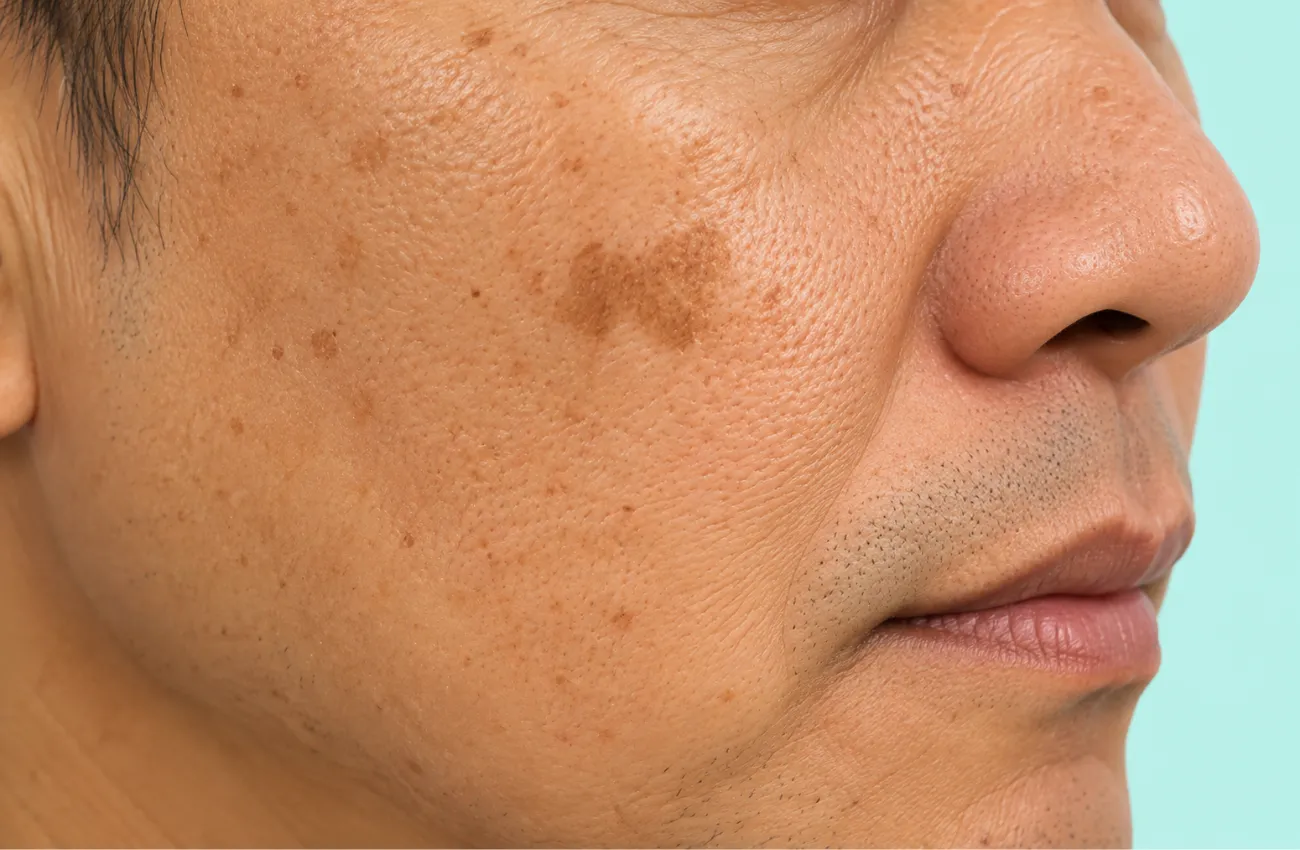
A spot that does not fade as expected, or looks different from nearby marks, deserves proper assessment.
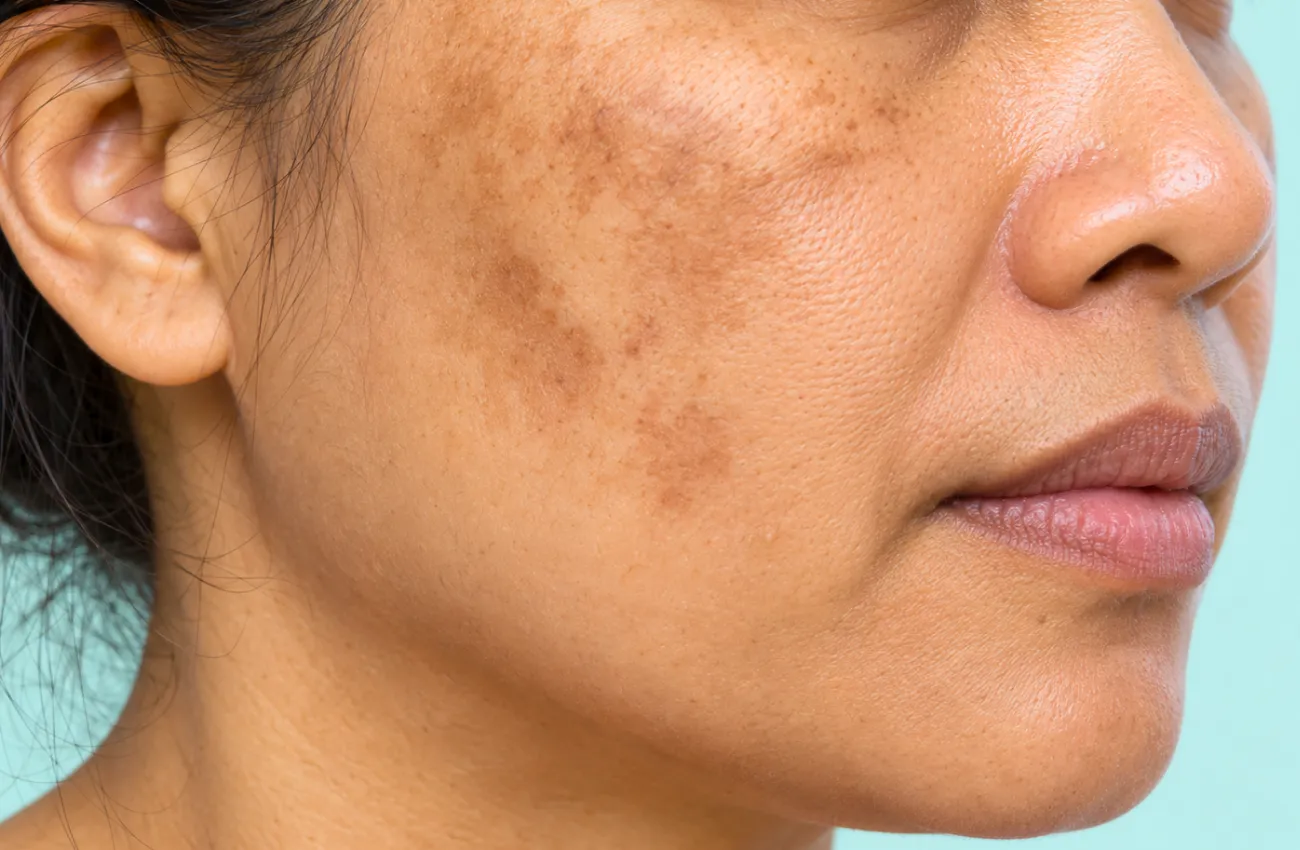
Dark patches that improve temporarily but recur with sunlight, hormonal changes or other triggers.
Not sure what type of pigmentation you have? Book a skin assessment before choosing peels, laser treatments or active skincare.
The same-looking brown patch can have different causes. Identifying the trigger is more useful than choosing a treatment based on appearance alone.
Sunlight and visible light: UV exposure can deepen existing pigmentation. Visible light can also worsen melasma, especially in deeper skin tones.
Hormonal changes: Pregnancy, hormonal medication and individual susceptibility can influence melasma.
Acne and irritation: Breakouts, harsh products and skin injuries can leave post-inflammatory dark marks.
Previous treatments: Excessive irritation or unsuitable lasers and peels may cause further pigmentation.

Use broad-spectrum SPF 30 or higher every day, reapply when outdoors, avoid irritating skincare and seek advice if a mark is changing, bleeding, crusting or noticeably different from other spots. Tinted sunscreen with iron oxides may help protect melasma-prone skin from visible light.
A suitable plan aims to understand the pigment type, reduce avoidable triggers and manage expectations, rather than promise completely clear skin.
Helps identify factors linked to patches and areas of darker skin.

Considers pigment type, your skin history and possible care plans.

Selected skin care may improve the look of uneven pigment in time.


Focuses on visible dark spots while reviewing risk and recurrence.

Considers your skin tone, triggers and individual treatment goals.
Clarifies expected changes, precautions and longer-term skin care.
Different types of pigmentation need different care. Begin with a proper assessment, then explore the options that may be relevant to your skin.
For melasma, recurring patches, unexplained spots and dark marks that have not improved. Identify the likely pigment pattern before considering procedures.
Book a Skin Assessment
For pigmentation affected by sunlight, irritation or recurring melasma. Your clinician can discuss sunscreen use and suitable topical care; improvements may take time.
Discuss a Skin Plan
Procedures may be considered for certain pigment types after assessment. Lasers and peels are not suitable for everyone and can sometimes worsen melasma or cause darkening.
Discuss Procedure Suitability
Explore this separate skin-quality service if hydration or texture is also a concern. It is not a primary treatment for melasma, sun spots or post-acne pigmentation.
Explore Skin BoosterNot sure which option is right? A skin assessment helps distinguish pigment types, review potential risks and identify when specialist evaluation may be needed.
Book a Consultation
Tell us when the marks first appeared, previous treatments and any product irritation.
Review the distribution of spots, your skin tone, possible triggers and whether additional evaluation is needed.
Compare care options, expected improvement, potential darkening risks and when treatment should be avoided.

Discuss sunscreen, gentle skincare, follow-up and how to manage recurring pigmentation.
Progress Depends on the Pigment Type
Some dark marks fade gradually over months, while melasma often needs longer-term care. Improvement is possible, but complete removal cannot be guaranteed.
Sunlight, visible light, hormonal changes and irritation can lead to darkening or recurrence, particularly in melasma-prone skin.
Following the recommended aftercare and reviewing your progress with the clinician can help adjust the plan if results are slower than expected.
Personalised Aesthetic Care
At Belle Clinic, we take time to understand the pattern of your pigmentation, potential triggers and the changes you have noticed.
Our doctor reviews your skin tone, medical history and pigment concerns before discussing appropriate care options.
We focus on realistic expectations, informed choices and ongoing skin protection.
Melanin production can increase after sun exposure, acne, inflammation or hormonal changes. The location and pattern help guide assessment.


Explore personalised pigmentation care
based on your skin concerns.